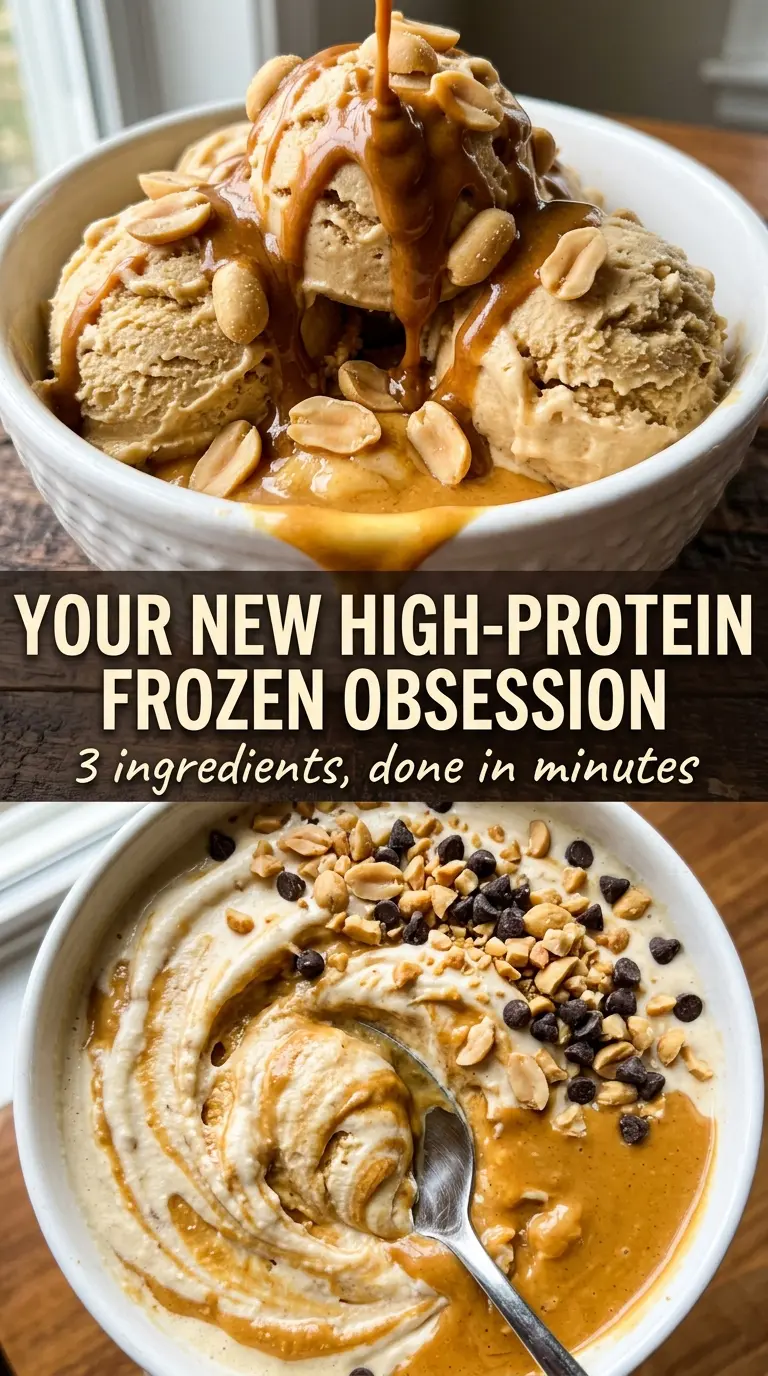
Thick, tangy frozen yogurt with peanut butter running through every bite earns a permanent spot in my freezer. It tastes like dessert, but it has the kind of creamy, spoonable texture that keeps you coming back for another scoop instead of stopping at one.
The trick is balancing the yogurt’s sharpness with enough peanut butter and sweetener to keep the base from freezing icy or bland. Greek yogurt brings body and protein, while the peanut butter adds richness that softens as it chills. Stirring during the first part of the freeze matters here because that’s when large ice crystals start to form; a quick mix breaks them up before they turn the whole batch grainy.
Below, I’ll walk through the one part that makes this froyo stay creamy, plus a few simple swaps if you want to change the sweetness, make it dairy-free, or serve it straight from the freezer without wrestling the scoop.
The peanut butter blended in smoothly and the froyo stayed scoopable after freezing. I stirred it twice like the recipe said, and it came out creamy instead of icy.
Creamy peanut butter frozen yogurt with the smooth, scoopable texture you want from homemade froyo
The Part That Keeps Peanut Butter Frozen Yogurt Creamy Instead of Icy
The biggest mistake with homemade froyo is treating it like a dump-and-freeze dessert. Yogurt holds a lot of water, and when that water freezes in big crystals, the texture turns hard and scratchy. Peanut butter helps with richness, but it can’t fix a base that never got mixed evenly or stirred while freezing.
That hour-by-hour stir does the heavy lifting. It keeps the mixture moving while the edges set first, which is where ice crystals usually start. If you’re using an ice cream maker, that same job gets done for you, and the result will be smoother and a little lighter. Either way, the base needs to be completely smooth before it goes cold, or you’ll end up with little pockets of peanut butter and a less even freeze.
What Each Ingredient Is Actually Doing in This Recipe
- Primary ingredient (the star) — Quality matters most. Choose the best you can find.
- Cooking medium (oil, butter, or broth) — This carries flavors and prevents dryness.
- Seasonings (salt, pepper, spices, herbs) — Layer flavors so nothing overpowers. Build depth gradually.
- Aromatics (garlic, onion, herbs) — Cook with fat to bloom flavors. Become the foundation.
- Supporting ingredients — Complement the main ingredient without overpowering it.
- Sauce or liquid (if applicable) — Brings flavors together. Balance richness with acid.
- Acid (lemon, vinegar, wine, or other) — Brightens and prevents flat-tasting results.
- Final finish (garnish, glaze, or sauce) — Prevents one-dimensional taste and adds visual appeal.
What Each Ingredient Is Doing in This Frozen Yogurt
- Greek yogurt — This is the base, and its thickness matters. Plain Greek yogurt gives you tang and body; regular yogurt has more water and freezes harder. Whole-milk Greek yogurt makes the creamiest result, but low-fat works if you don’t mind a slightly firmer scoop.
- Creamy peanut butter — Use a smooth, stir-friendly peanut butter here, not a dry natural one that has separated and hardened. The peanut butter brings fat, flavor, and a little softness to the frozen texture. If all you have is natural peanut butter, warm it briefly and stir it very well before mixing it in.
- Honey or maple syrup — Sweetener isn’t just about taste. It also lowers the freezing point a bit, which helps the froyo stay scoopable instead of freezing into a brick. Honey gives a rounder flavor; maple syrup keeps it a little more neutral.
- Vanilla extract — This smooths out the sharp edge of the yogurt and makes the peanut butter taste fuller. Don’t skip it unless you want the base to taste flatter and more one-note.
- Salt — A small amount matters here because it wakes up the peanut butter. Without it, the frozen yogurt can taste a little dull once it’s cold.
Whisking, Freezing, and the First Scoop
Building a Completely Smooth Base
Whisk the yogurt, peanut butter, honey, vanilla, and salt until the mixture looks uniform and glossy. You want no streaks of peanut butter left anywhere, because those turn into dense little pockets once frozen. If your peanut butter is stiff, warm it just enough to loosen it, then whisk again until the base feels pourable. Taste it now, not later, because cold dulls sweetness and you’ll want the base slightly sweeter than you think.
Freezing Without the Grainy Texture
Pour the mixture into a freezer-safe container with some room at the top, since it will firm up as it chills. Freeze for 4 hours, and stir it every hour for the first 2 hours, scraping the edges into the center. That’s the part that keeps the frozen yogurt creamy. If you wait too long between stirs, the edges freeze hard first and the texture turns icy instead of smooth.
Letting It Reach the Right Scoop Point
Once it’s fully frozen, let the container sit at room temperature for about 5 minutes before scooping. That short rest matters because homemade froyo is firmer than store-bought and can crack a spoon if you go in too early. If you churned it in an ice cream maker, it’ll be softer right away, but it still benefits from a brief rest before serving.
Finishing With the Right Toppings
Top each bowl with banana slices and a drizzle of honey. The banana adds freshness and a soft contrast against the cold, dense froyo, while the honey gives you a little shine and extra sweetness on top. Crushed peanuts work well too if you want more crunch, but add them right before serving so they stay crisp.
Three Ways to Adjust This Peanut Butter Froyo for Your Kitchen
Dairy-Free Version
Use a thick dairy-free yogurt made for eating by the spoonful, not a thin drinkable style. Coconut-based yogurt gives the creamiest result, though it will add a light coconut note. You’ll still need the same freezing and stirring method, but expect a slightly softer set than with Greek yogurt.
Lower-Sugar Frozen Yogurt
Cut the honey or maple syrup back a little, but don’t remove it completely unless you want a much harder freeze. The sweetener helps with texture as much as flavor, so reducing it means the frozen yogurt will set firmer and need a longer rest before scooping. If you want it less sweet without losing creaminess, add a pinch more vanilla and keep the salt.
Chocolate Peanut Butter Version
Whisk in 1 to 2 tablespoons of unsweetened cocoa powder before freezing. It deepens the peanut butter flavor and gives the froyo a more dessert-like finish without making it heavy. If the mixture seems too thick after adding cocoa, splash in a teaspoon of milk or water at a time until it smooths out.
Storage and Reheating
- Refrigerator: Not recommended. It softens fast and loses the frozen texture this recipe is built for.
- Freezer: Store in a sealed container for up to 2 weeks. It will get firmer over time, so the first scoop is easiest after a short rest on the counter.
- Reheating: No reheating needed. For the best texture, let it sit at room temperature for 5 to 10 minutes before scooping. If it gets rock-hard, don’t microwave the whole container or the edges will melt before the center loosens.
Answers to the Questions Worth Asking
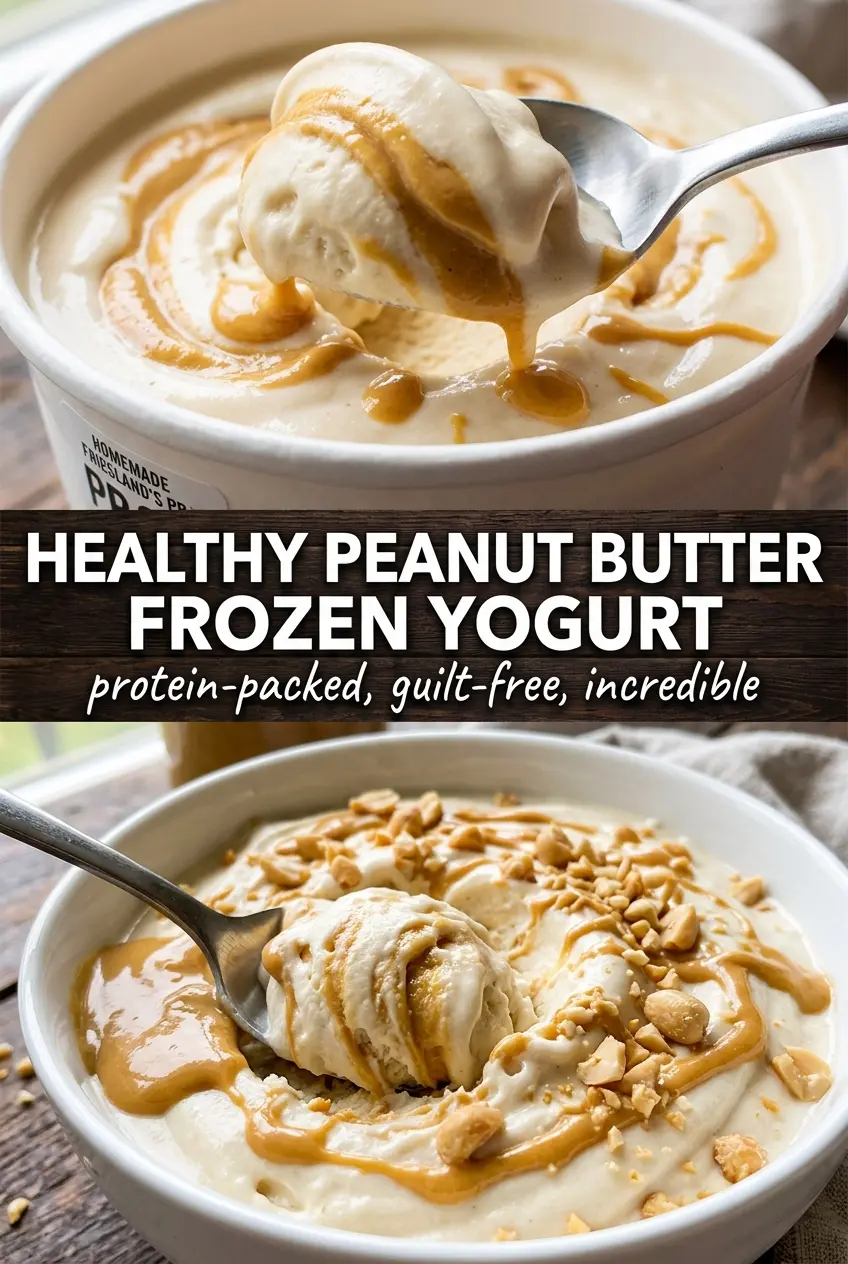
Healthy Peanut Butter Frozen Yogurt
Ingredients
Equipment
Method
- Whisk plain Greek yogurt, creamy peanut butter, honey or maple syrup, vanilla extract, and salt until completely smooth, scraping the sides as needed.
- Taste the mixture and adjust sweetness by adding more honey or maple syrup if desired.
- Pour the mixture into a freezer-safe container and freeze for 4 hours, stirring every hour for the first 2 hours to prevent large ice crystals.
- Alternatively, churn in an ice cream maker for a smoother result, following your machine’s timing until thickened like soft-serve.
- Let the frozen yogurt sit at room temperature for 5 minutes before scooping so it softens slightly for cleaner scoops.
- Top with banana slices and a drizzle of honey for a fresh, sweet finish.