Soft pumpkin spice cookies need just enough structure to hold onto their shape, but not so much that they bake up cakey or heavy. This version keeps the centers tender and the edges lightly set, with warm spice in every bite and a glaze that gives you that bakery-style finish without the sugar crash.
The trick is handling the pumpkin the right way. Pumpkin puree brings flavor and color, but it also brings a lot of water, and extra moisture is what turns these cookies bready instead of soft. Blotting it dry before it goes into the bowl makes a bigger difference than most people expect, and it helps the cookies bake up with a better bite and cleaner edges. The sweetener matters too: erythritol or monk fruit gives the dough enough sweetness and helps the glaze set without getting sticky.
Below you’ll find the small details that keep these cookies from spreading too much, plus a couple of swaps that make them work for different needs without losing that pumpkin spice feel.
The cookies stayed soft in the middle and the glaze set up enough that I could stack them after an hour. Blotting the pumpkin first was the step I would’ve skipped, but it kept them from turning cakey.
Like these sugar-free pumpkin spice cookies? Save them to Pinterest for a soft, warmly spiced cookie that bakes up with clean edges and a cinnamon glaze.
The Pumpkin Moisture Trap Most Cookies Can’t Ignore
Most pumpkin cookies fail for one simple reason: the puree adds more water than the dough can handle. That extra moisture softens the structure, so the cookies spread less predictably and bake up more like little cakes than chewy, tender cookies. Blotting the pumpkin on paper towels before measuring it isn’t a fussy step — it’s what keeps the dough thick enough to scoop cleanly and lets the spice flavor come through without tasting damp.
The other thing that matters here is the sweetener choice. Granulated erythritol or monk fruit behaves better in this style of cookie than liquid sweeteners because it helps the butter cream properly and gives the dough some body. If the dough looks greasy or loose after mixing, it usually means the pumpkin wasn’t dry enough or the butter was too soft. You want a dough that holds a mound on the spoon, not a batter that slumps.
- Blotted pumpkin puree — This is the difference between soft cookies and wet, cakey ones. Press it between layers of paper towel until it looks thicker and the surface moisture is gone.
- Granulated sugar-free sweetener — Erythritol or monk fruit gives the dough structure and helps the cookies brown a little at the edges. Powdered sweetener works better only in the glaze.
- Maple extract — It adds that classic pumpkin cookie note without extra sugar. If you skip it, the cookies still work, but they taste flatter.
- All-purpose flour — This gives the cookies the best classic texture. Almond flour can work for a lower-carb version, but the cookies will be a little more delicate and softer in the center.
What Each Ingredient Is Actually Doing in This Recipe
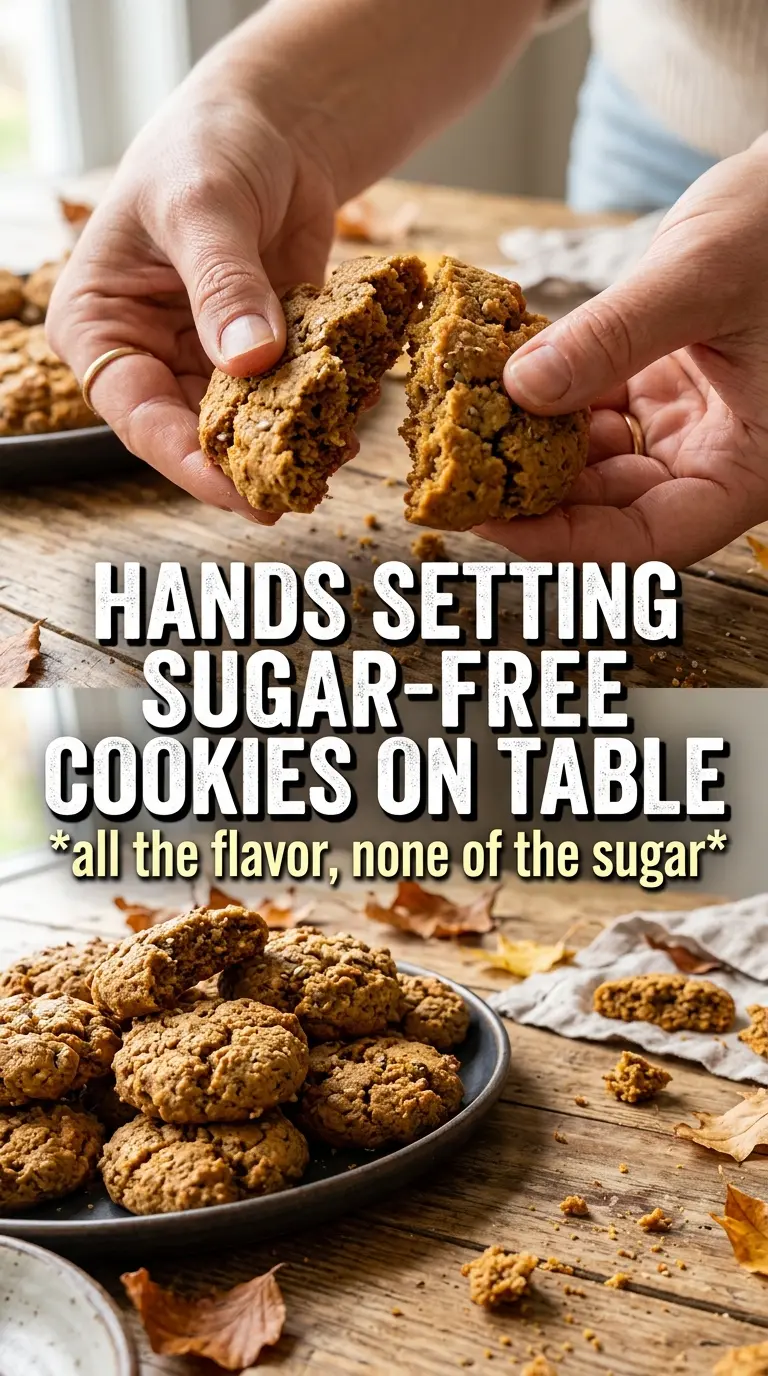
- Primary ingredient (the star) — Quality matters most. Choose the best you can find.
- Cooking medium (oil, butter, or broth) — This carries flavors and prevents dryness.
- Seasonings (salt, pepper, spices, herbs) — Layer flavors so nothing overpowers. Build depth gradually.
- Aromatics (garlic, onion, herbs) — Cook with fat to bloom flavors. Become the foundation.
- Supporting ingredients — Complement the main ingredient without overpowering it.
- Sauce or liquid (if applicable) — Brings flavors together. Balance richness with acid.
- Acid (lemon, vinegar, wine, or other) — Brightens and prevents flat-tasting results.
- Final finish (garnish, glaze, or sauce) — Prevents one-dimensional taste and adds visual appeal.
Building the Dough So the Cookies Stay Soft, Not Puffy
Creaming the Butter and Sweetener
Beat the softened butter and granulated sweetener until the mixture looks lighter in color and a little fluffy around the edges. This step gives the cookies some lift without relying on sugar, which matters because sugar-free dough can turn dense if the butter isn’t properly aerated. If the butter is melted or too warm, the mixture goes glossy and loose instead of creamy, and the cookies usually spread too much.
Adding the Pumpkin Without Soaking the Dough
Stir in the blotted pumpkin, egg, vanilla, and maple extract until the mixture is smooth. The dough may look a little curdled for a moment, and that’s normal once the pumpkin goes in. What you’re looking for is a thick, scoopable base that still holds together. If it looks wet at this stage, pause and blot a little more pumpkin instead of trying to fix it with extra flour, which can make the cookies dry.
Folding in the Dry Ingredients
Add the flour, baking soda, pumpkin pie spice, cinnamon, and salt, then mix just until no dry streaks remain. Overmixing here builds too much gluten and makes the cookies tougher than they should be. The dough should feel soft but not sticky enough to pour. If it seems sticky, chill it for 15 minutes rather than adding more flour right away.
Baking Until Set, Not Browned Hard
Scoop 1 1/2 tablespoon rounds onto lined baking sheets and bake until the centers look set and the edges are just beginning to firm up. These cookies don’t need deep browning to be done. In fact, pulling them when they still look slightly soft in the center is what keeps them tender once they cool. Let them sit on the pan for a few minutes before moving them, or they’ll break while they’re still delicate.
Almond Flour for a Lower-Carb Batch
Swap in almond flour for the all-purpose flour if you want a lower-carb cookie with a softer, more fragile crumb. The cookies will spread a little less and taste richer, but they’ll also be more tender, so let them cool completely before moving them. If the dough feels too loose, chill it instead of adding more almond flour, which can make the texture heavy.
Dairy-Free Version
Use a plant-based butter stick with a similar fat content to regular butter. Soft tub spreads hold too much water and can change the dough’s structure, so a firm baking-style butter works best. The cookies will still be tender, though the flavor will be a little less rich.
No Maple Extract
If you don’t have maple extract, use an extra 1/2 teaspoon vanilla and a pinch more pumpkin pie spice. You’ll lose some of the bakery-style depth, but the cookies will still taste warm and balanced. Don’t replace it with maple syrup unless you also reduce the pumpkin a little, or the dough gets too wet.
Storage and Reheating
- Refrigerator: Store in an airtight container for 4 to 5 days. The cookies stay soft, but the glaze can dull slightly after the first day.
- Freezer: Freeze the unglazed cookies for up to 2 months. Layer them with parchment so they don’t stick, then glaze after thawing for the best texture.
- Reheating: Let them come to room temperature or warm them for 5 to 8 seconds in the microwave. Too much heat softens the glaze and can make the cookies turn gummy.
Questions I Get Asked About This Recipe
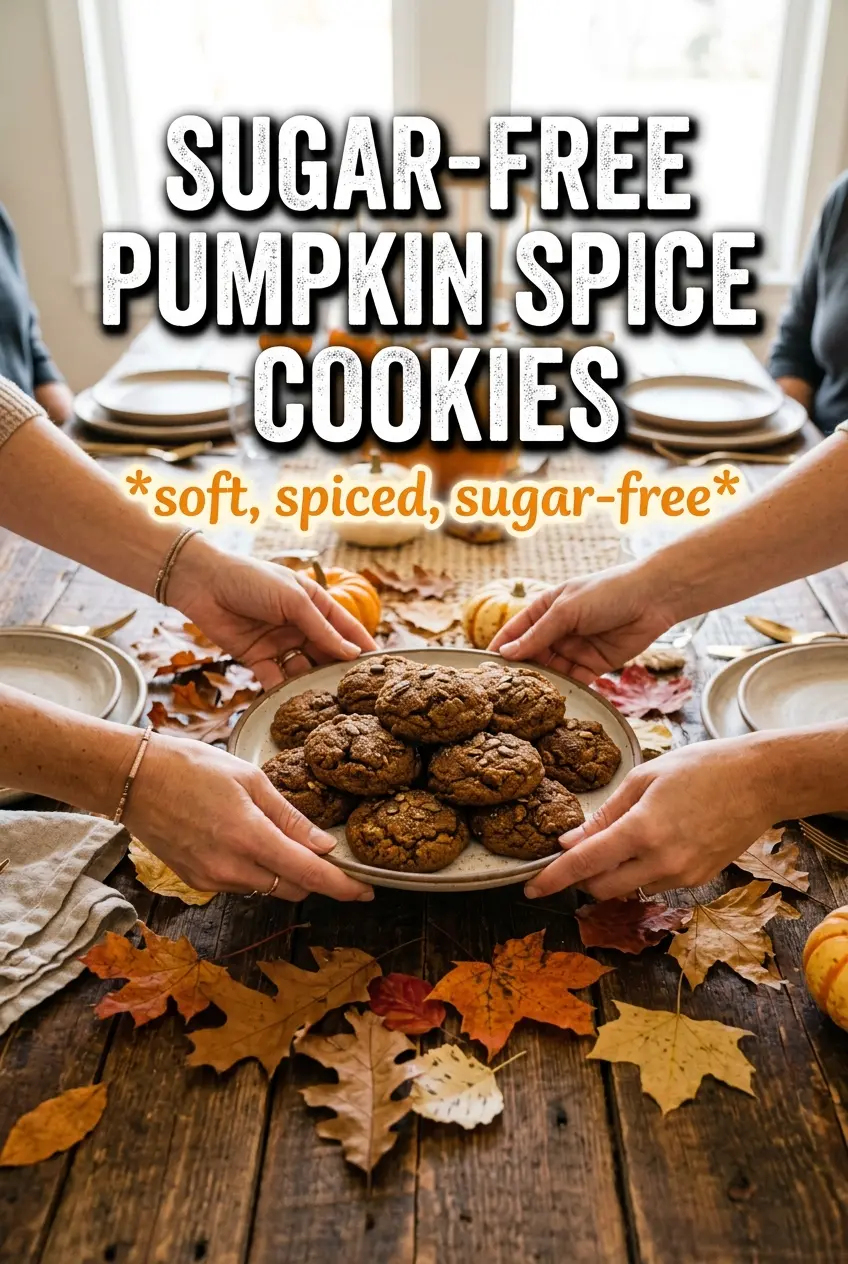
Sugar-Free Pumpkin Spice Cookies
Ingredients
Equipment
Method
- Preheat the oven to 350F and line baking sheets so they’re ready when the dough is formed.
- Blot the pumpkin puree dry, then beat the softened unsalted butter and granulated erythritol or monk fruit sweetener until as fluffy as possible.
- Add the blotted pumpkin puree, egg, vanilla, and maple extract and mix just until combined.
- Fold in the all-purpose flour, baking soda, pumpkin pie spice, cinnamon, and salt until no dry streaks remain.
- Scoop 1-1/2 tablespoon rounds onto the lined baking sheets, leaving space between cookies.
- Bake at 350F for 10-12 minutes, until the cookies are set around the edges and look lightly golden.
- Cool the cookies completely before drizzling with the sugar-free glaze.
- Whisk the powdered erythritol with the milk and cinnamon until smooth, then drizzle over the cooled cookies.