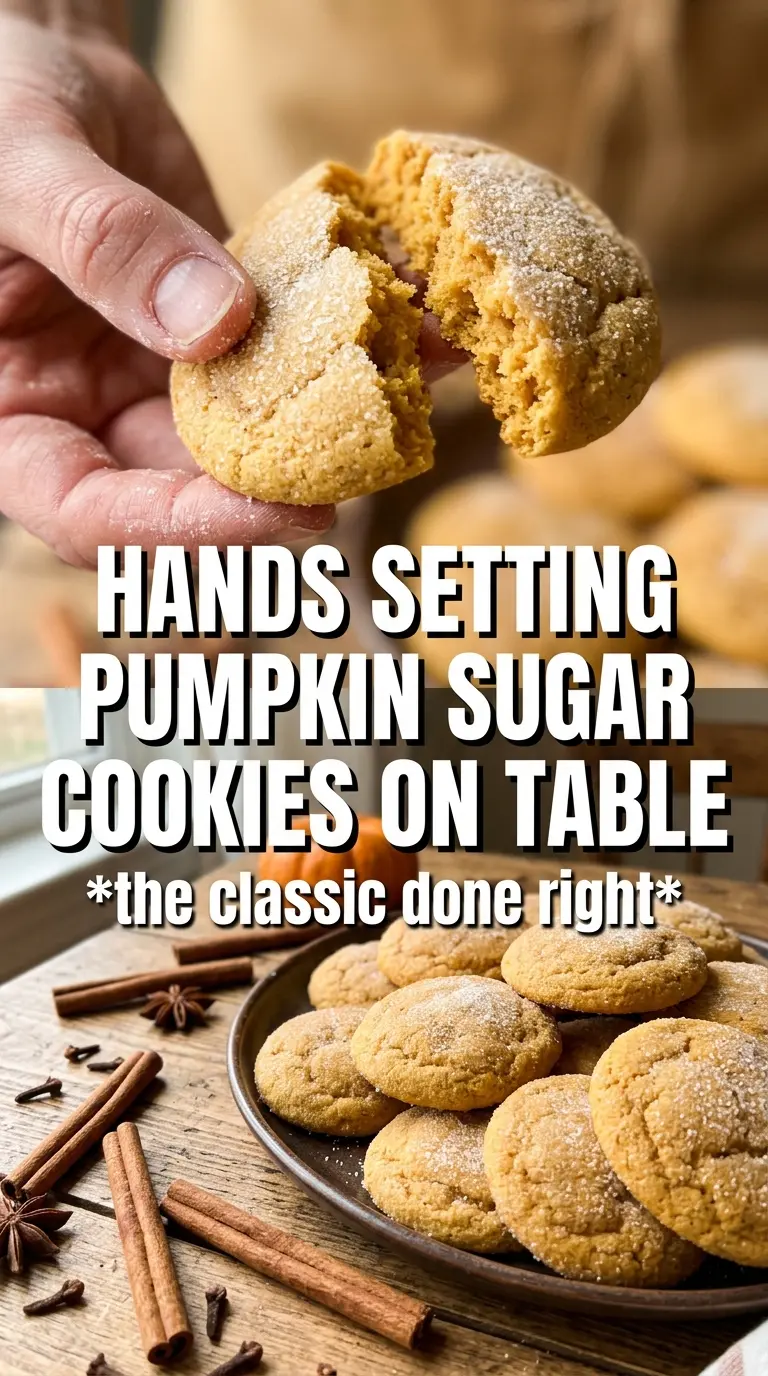
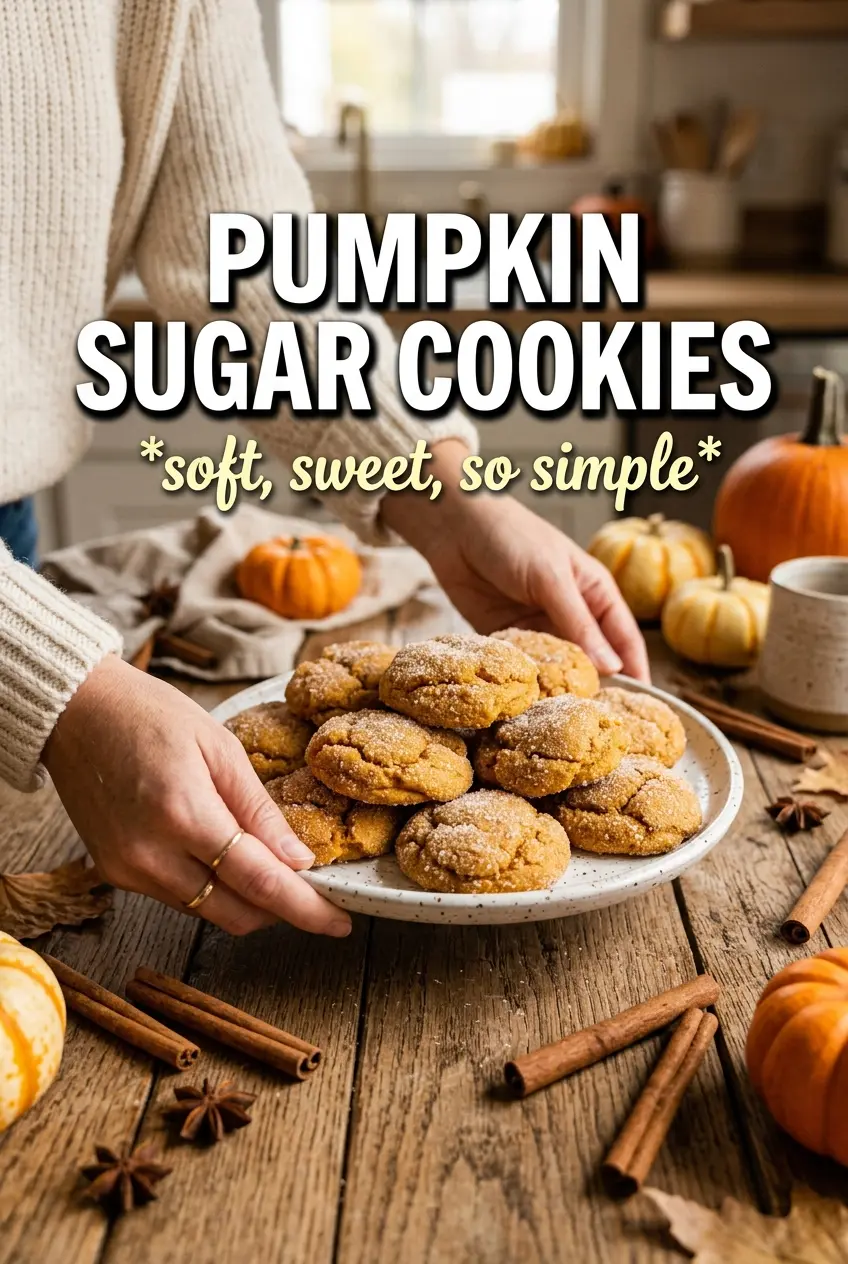
Pumpkin sugar cookies bake up soft in the middle with lightly set edges and a gentle spice finish that tastes like the best part of a bakery cookie case. The dough holds its shape enough for clean cut-outs, but it still eats tender, especially once that cream cheese frosting goes on top. They’re sweet without being cloying, and the pumpkin stays in the background just enough to add warmth and color.
What makes this version work is restraint. The pumpkin puree is measured small and blotted dry, which keeps the cookies from turning cakey or spreading into soft little puddles. The dough also gets a full chill, and that matters more than people think: cold dough cuts cleanly, bakes thicker, and gives you those neat edges that make frosted cookies look polished instead of rough.
Below, I’ll walk you through the one step that keeps the dough from getting sticky, the frosting texture that spreads cleanly, and a few swaps that still keep these cookies in the same lane.
The cookies held their shape in the oven and the frosting stayed fluffy instead of sliding off. Blotting the pumpkin made a bigger difference than I expected.
These pumpkin sugar cookies are worth saving for the chill-and-cut dough and that smooth orange cream cheese frosting.
The Dough Needs to Be Dry Enough to Cut Cleanly
Pumpkin cookie dough fails for one reason more than any other: too much moisture. Pumpkin puree brings flavor and color, but it also brings water, and if you add it straight from the can the dough turns soft, sticky, and hard to roll without extra flour. That extra flour changes the cookies. They bake up dull and dry instead of tender.
Blot the pumpkin puree on a paper towel until it looks thick and almost paste-like. That small step keeps the dough closer to a classic sugar cookie texture, which is why these cookies hold their edges in the oven instead of slumping. The chill time matters for the same reason. Cold dough is easier to cut, easier to move, and less likely to puff into uneven shapes.
What Each Ingredient Is Actually Doing in These Cookies
- All-purpose flour — This gives the cookies structure without making them stiff. Bread flour would make them tougher, and cake flour would make them too fragile for cut-outs.
- Pumpkin puree — Use pure pumpkin, not pumpkin pie filling. The pie filling is already sweetened and spiced, which throws off the dough and makes the texture unpredictable. Blotting it dry is the part that keeps the cookies from spreading too much.
- Butter and sugar — Creaming them together adds air, which gives the cookies lift before the flour goes in. Softened butter matters here; melted butter makes the dough greasy and flat.
- Pumpkin pie spice plus cinnamon — The combination gives you that warm, rounded fall spice without making the cookies taste like chai or gingerbread. If you only have pumpkin pie spice, use it, but keep the cinnamon in for a little extra depth.
- Cream cheese frosting — This is what turns the cookies from good to memorable. The tang balances the sweetness and gives the tops that soft, slightly plush finish. Let the cream cheese and butter soften fully so the frosting turns smooth instead of grainy.
Building the Cookies So They Stay Soft, Not Puffy
Creaming the Base
Beat the butter and sugar until the mixture looks pale and fluffy, not greasy or slick. That takes a couple of minutes, and it’s worth doing well because this is where the cookies get their lightness. Add the pumpkin, egg, and vanilla after the butter and sugar are combined so the dough emulsifies instead of breaking. If the mixture looks a little curdled once the pumpkin goes in, keep going; it comes back together as soon as the dry ingredients are added.
Bringing the Dough Together
Fold in the flour, baking powder, baking soda, spices, and salt just until no dry streaks remain. Overmixing here makes the cookies tough and encourages spreading because the gluten starts developing too much. The dough should feel soft but manageable, not sticky like batter. If it seems too loose, chill it before judging it; cold dough firms up fast.
Chilling, Rolling, and Cutting
Give the dough the full hour in the fridge. That rest lets the flour hydrate and the butter firm up, which is what keeps your circles or pumpkin shapes neat in the oven. Roll the dough to about 1/4 inch on a lightly floured surface, and move quickly so it stays cold. If the dough starts tearing, let it sit for a few minutes instead of adding more flour.
Baking Until Just Set
Bake at 350°F until the edges look set and the centers no longer look raw, about 10 to 12 minutes. Don’t wait for deep browning; these cookies should stay pale with just a little color at the bottom. They’ll continue to firm up as they cool on the pan. If you move them too soon, they can bend before they’re stable.
Whipping the Frosting
Beat the cream cheese, butter, powdered sugar, vanilla, and orange coloring until smooth and spreadable. Stop as soon as it looks fluffy, because overbeating can loosen the frosting and make it harder to decorate cleanly. Cool the cookies completely before frosting them, or the heat will soften the topping and blur the shape. A small offset spatula gives you the neatest finish.
How to Adjust These for Different Kitchens and Different Crowds
Gluten-Free Pumpkin Sugar Cookies
Use a 1:1 gluten-free baking flour that includes xanthan gum. The cookies may spread a little more, so chill the dough well and roll it from cold. The texture will still be soft, but it won’t have quite the same chew as the original.
Dairy-Free Version
Swap the butter in both the dough and frosting for a plant-based butter stick, not a tub spread. The cookies will still bake up tender, but the frosting may need a little extra powdered sugar to hold its shape. Use a dairy-free cream cheese that tastes tangy rather than sweet for the best result.
Make the Cookies Plain with Sugar Tops
If you want a less-sweet cookie, skip the frosting and roll the cut-outs in granulated sugar before baking. You’ll lose the creamy contrast, but you’ll keep the soft pumpkin spice cookie with a crisp, sparkling edge.
Storage and Reheating
- Refrigerator: Store frosted cookies in a single layer or between sheets of parchment for up to 4 days. The cookies soften slightly as they sit, and the frosting stays best when chilled.
- Freezer: Unfrosted cookies freeze well for up to 2 months. Wrap them tightly and thaw at room temperature before frosting; fully frosted cookies can freeze, but the decoration may get messy.
- Reheating: These are best served at room temperature, not warmed. If they’ve been refrigerated, let them sit out for 20 to 30 minutes so the frosting softens and the cookie texture comes back.
Answers to the Questions Worth Asking
Pumpkin Sugar Cookies
Ingredients
Equipment
Method
- Beat the softened butter and granulated sugar until smooth. Mix in the blotted pumpkin puree, then beat in the egg and vanilla until fully combined.
- Fold in the all-purpose flour, baking powder, baking soda, pumpkin pie spice, cinnamon, and salt. Stop mixing as soon as no dry streaks remain.
- Divide the dough and refrigerate for 1 hour. Chill until firm enough to roll without sticking.
- Preheat the oven to 350F (177C) and line a sheet pan if needed. Roll the chilled dough to 1/4 inch thickness and cut into circles or pumpkin shapes.
- Bake for 10-12 minutes until the edges are just set. Remove to a rack and cool completely before frosting (the surface should feel room-temperature, not warm).
- Beat the cream cheese frosting ingredients until smooth and evenly colored with orange food coloring. Frost the cooled cookies and decorate as desired (let frosting set for a few minutes before serving).