Buttery little pastry cups filled with pumpkin custard make these pumpkin pie cookies disappear fast. The crust bakes up crisp and tender at the same time, and the filling lands somewhere between a classic slice of pumpkin pie and a hand-held tart, which is exactly why they never stay on the plate for long. A swirl of whipped cream on top turns each one into a tiny, polished dessert without any extra fuss.
The trick is treating the dough like pie pastry, not cookie dough. Cold butter gives you those flaky layers, and the brief chill keeps the cups from shrinking in the oven. The filling also matters: sweetened condensed milk makes it smooth and rich, while the egg yolk helps it set into a creamy custard instead of something loose or watery.
Below, I’ve included the detail that keeps the crust from going soggy, plus a few smart swaps if you need them. These are the kind of cookies that work for a dessert tray, a holiday plate, or any time you want pumpkin pie without the slicing.
The crust stayed crisp under the pumpkin filling, and the mini muffin tin made them come out with those perfect little tart shells. I chilled the dough like you said and they held their shape instead of slumping.
Save these pumpkin pie cookies for the days when you want flaky crust, silky pumpkin filling, and a whipped cream finish in one bite.
The Part Most Pumpkin Pie Cookies Get Wrong: a Soggy Bottom
What ruins these little cookie cups is rushing the bake. If the pastry goes into the oven soft or the filling gets added before the shells have a chance to set, the crust steams instead of baking and you end up with a heavy bottom that never really crisps up. Pre-baking the cups for 10 minutes gives the butter time to do its work and creates a barrier that helps the filling sit on top instead of soaking in.
The second thing to watch is the filling texture. It should look smooth and pourable, but not thin like milk. Once it goes into the oven, you’re looking for just-set edges and a center that still has a slight wobble. Carryover heat finishes the job as the cookies cool, and that’s what keeps the custard creamy instead of rubbery.
- Cold butter — This is what gives the crust its tender layers. If the butter starts to soften while you work, the dough gets pasty and loses that crisp, pastry-like bite.
- Ice water — Add only enough for the dough to hold together. Too much water makes the crust tougher and encourages shrinking.
- Mini muffin tin — The shape matters here. It supports the dough while it bakes and helps the cups hold the filling without spreading.
- Pumpkin puree — Use pure pumpkin, not pumpkin pie filling. The filling already includes sugar and spices, and extra seasoning can make it taste muddy.
What the Pumpkin Custard Is Doing Inside the Pastry Shell
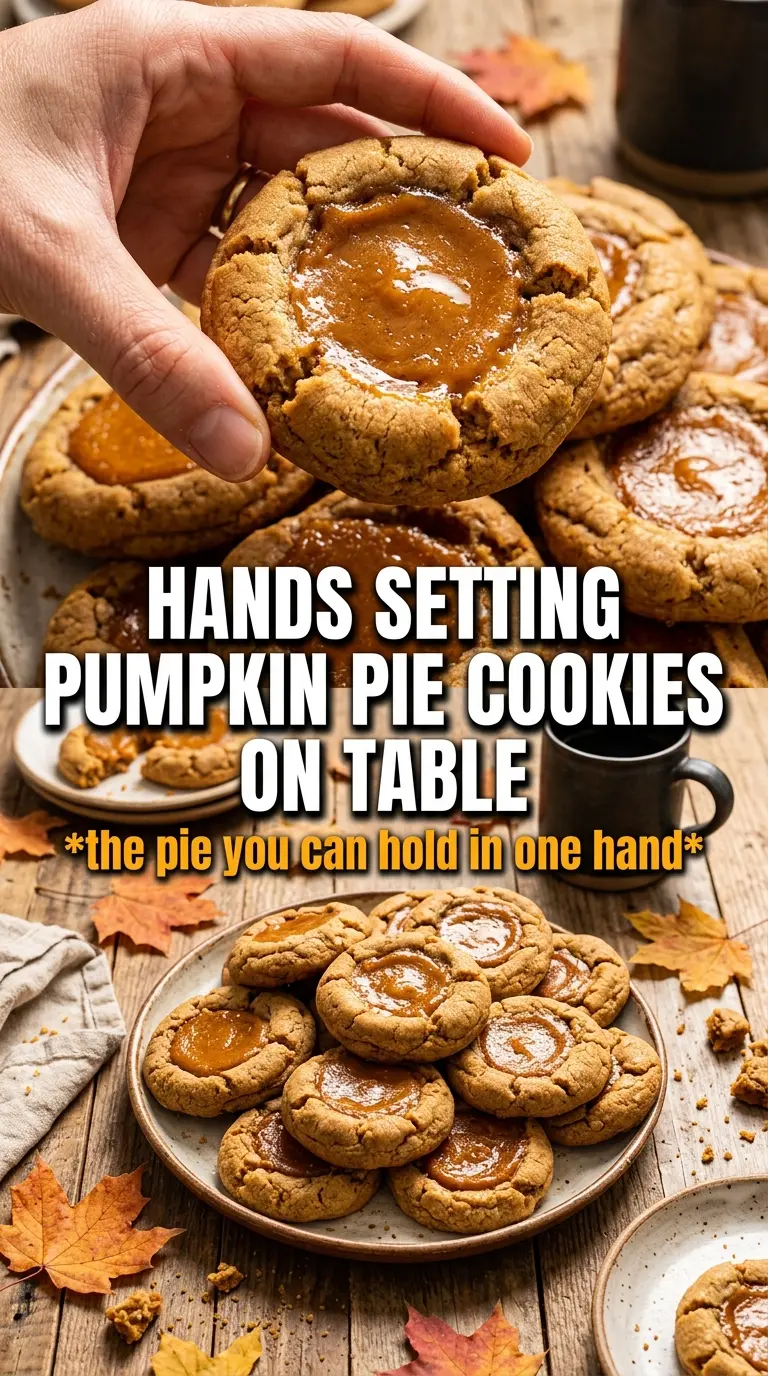
The filling is built like a very small pumpkin pie, and each ingredient has a job. Sweetened condensed milk brings sweetness and body at the same time, so the custard tastes rich without needing extra cream or a long ingredient list. The egg yolk helps the filling set into a silky, spoonable texture, while the pumpkin pie spice and cinnamon give it that warm, familiar pie flavor. A little salt keeps it from tasting flat.
- Sweetened condensed milk — This is the ingredient that makes the filling glossy and dense enough to hold its shape. There isn’t a perfect substitute here if you want the same creamy set.
- Egg yolk — One yolk gives richness and helps the filling thicken. Using a whole egg makes the custard firmer and a little more bouncy.
- Pumpkin pie spice plus cinnamon — The blend gives you depth, and the extra cinnamon sharpens the pumpkin flavor. If your spice blend is older than a year, it’ll taste dull; fresh spice makes a difference.
- Whipped cream — Add it after the cookies cool completely. Warm custard will melt the topping fast and blur the finish.
The Two Cooling Steps That Keep These Cookies Neat and Crisp
Making the Dough Without Overworking It
Stir the flour, powdered sugar, and salt together first, then cut in the cold butter until the mixture looks like coarse crumbs with a few pea-size pieces left. Those butter pieces are what create flakiness, so don’t grind them into a sand-like texture. Add the ice water a tablespoon at a time and stop as soon as the dough holds when squeezed. If the dough feels sticky, it’s already too warm and will shrink in the oven.
Shaping the Cups
Chill the dough for 30 minutes before rolling it to about 1/8 inch thick. Cut clean 3-inch circles and press them gently into a greased mini muffin tin without stretching the dough, because stretched dough springs back and pulls away from the sides. Trim any excess that hangs over the edge so the cups bake evenly. A quick chill after shaping helps them keep their little tart-shell look.
Baking the Filling to Just Set
After the crusts pre-bake, whisk the filling until it’s completely smooth and spoon it in just below the rim. Bake until the edges look set and the centers still wobble slightly when the pan is nudged. If you wait for the centers to look fully firm in the oven, they’ll end up overcooked once cooled. Let the cookies cool all the way in the pan before lifting them out, then top with whipped cream and a dusting of pumpkin pie spice.
How to Adapt These Pumpkin Pie Cookies for Different Kitchens
Dairy-Free Version
Swap the butter for a plant-based baking stick that stays firm when cold, not a soft tub spread. The crust will still bake up tender, though it may be a little less flaky, and you’ll need a dairy-free whipped topping to finish them cleanly.
Gluten-Free Crust
Use a 1:1 gluten-free flour blend that includes xanthan gum. The dough may need a touch less water, and it benefits from extra chilling so it doesn’t crack when you press it into the muffin tin.
Make Ahead for a Party Tray
Bake the pastry cups a day ahead and store them covered at room temperature, then make and fill them the day you plan to serve them. That keeps the crust crisp and gives you the best texture instead of a softened shell.
Extra-Spiced Pumpkin Filling
If you like a stronger spice note, add a small pinch of ginger or nutmeg. Keep the total spice increase modest so the pumpkin still tastes like pumpkin instead of chai.
Storage and Reheating
- Refrigerator: Store in an airtight container for up to 3 days. The crust softens a little after the first day, but the flavor stays good.
- Freezer: Freeze the baked, un-topped cookies on a tray, then pack them tightly. Add the whipped cream after thawing; the topping doesn’t freeze well.
- Reheating: Let them thaw in the fridge, then serve chilled or at cool room temperature. If you warm them, do it briefly and only without whipped cream, or the filling can loosen and the crust loses its crisp edge.
Questions I Get Asked About This Recipe
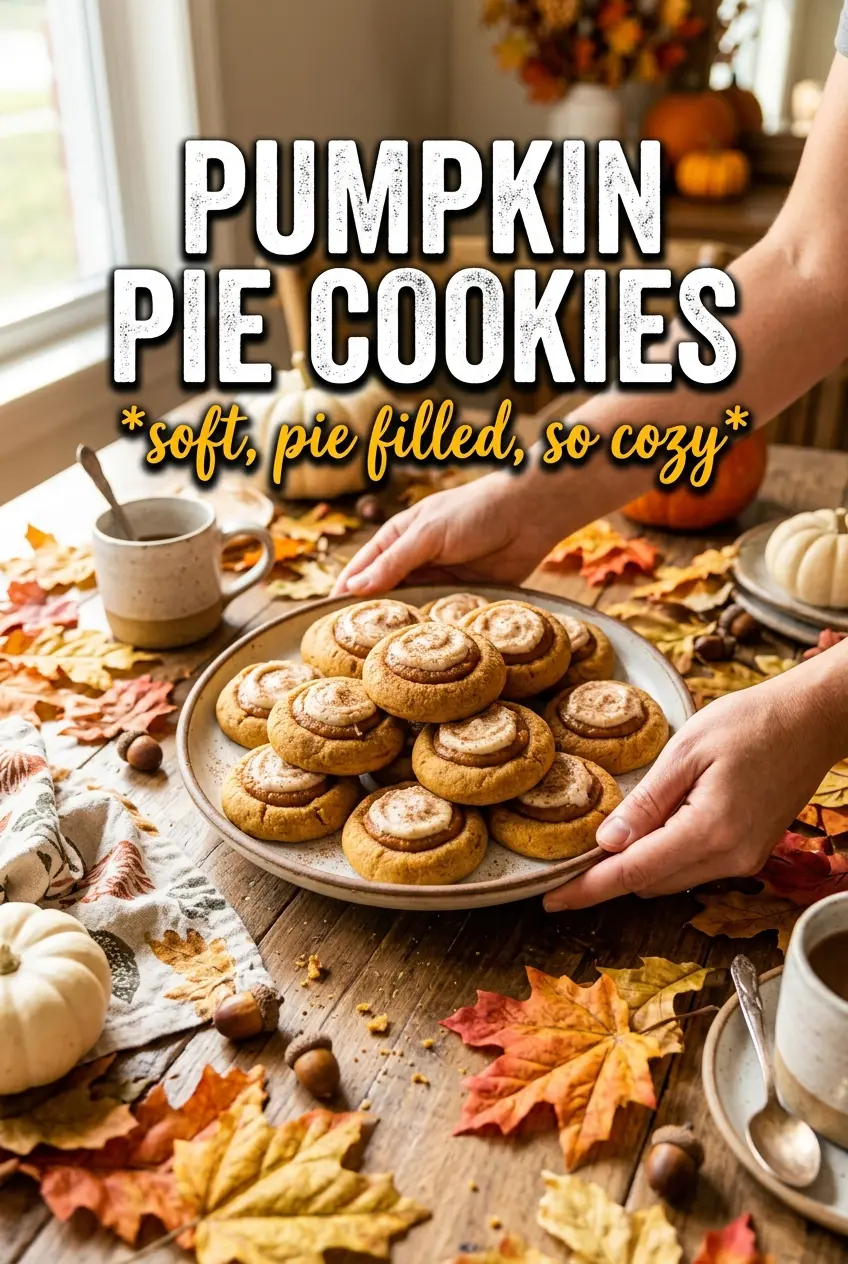
Pumpkin Pie Cookies
Ingredients
Equipment
Method
- In a mixing bowl, combine all-purpose flour, powdered sugar, and salt.
- Cut in cold unsalted butter until the mixture resembles coarse crumbs.
- Add ice water, 1 tablespoon at a time, until the dough holds together when pressed.
- Chill the dough for 30 minutes to firm it up for rolling.
- Roll the dough to 1/8 inch thickness on a lightly floured surface.
- Cut into 3-inch circles and press each circle into a greased mini muffin tin.
- Preheat the oven to 375°F.
- Pre-bake the cups for 10 minutes until lightly set.
- Whisk pumpkin puree, sweetened condensed milk, egg yolk, pumpkin pie spice, cinnamon, and salt until smooth.
- Spoon the filling into the pre-baked cups, filling each about 3/4 full.
- Bake for 12-14 minutes, until the filling is just set with a slight jiggle in the center.
- Cool completely before topping to prevent the whipped cream from melting.
- Top each cookie with whipped cream and finish with a pinch of pumpkin pie spice.