One-pot pumpkin mac and cheese lands with that rare combination of cozy and practical: the pasta cooks right in the pot, the sauce turns velvety without a separate roux, and the pumpkin gives the whole dish a deeper, silkier body than ordinary stovetop mac. It tastes rich, but it still comes together fast enough for a weeknight.
The key is letting the pasta release starch into the broth and milk as it cooks. That starchy liquid becomes part of the sauce, so the cheese has something to cling to instead of turning thin or greasy. Pumpkin puree doesn’t make this taste like pie; it rounds out the cheddar and gives the sauce a warm color and a little extra thickness that feels natural, not heavy.
Below, I’ll walk through the few details that matter most, including how to keep the cheese smooth and what to change if you want to make this with what you already have.
The pasta cooked right in the broth and milk, and the sauce turned out creamy instead of gluey. I loved that the pumpkin stayed in the background and just made the cheddar taste richer.
Want that creamy pumpkin cheddar finish again? Save this one-pot pumpkin mac and cheese for the nights when you need dinner to happen in one pot.
The Trick Is Stopping the Pasta at the Right Point
The part that usually goes wrong in one-pot mac is the timing. If you let the pasta cook until every drop of liquid is gone, the sauce ends up thicker than you want once the cheese goes in. What you want instead is a pot where the noodles are tender and there’s still a little looseness left in the liquid, because the pumpkin, butter, cream cheese, and cheddar will tighten everything up as they melt.
Frequent stirring matters here. It keeps the elbow pasta from sticking to the bottom and helps the starch distribute evenly through the broth and milk. If the heat is too high, the milk can scorch before the pasta is done, and that burnt note will carry through the whole dish. Keep it at a lively simmer, not a hard boil.
- Stir often. The pasta releases starch as it cooks, and that starch is part of the sauce.
- Watch the liquid level. A little pooling in the pot is fine; dry pasta at this stage usually means the final sauce will be pasty.
- Use a wide pot if you have one. More surface area helps the liquid reduce evenly without scorching.
What Each Ingredient Is Actually Doing in This Dish
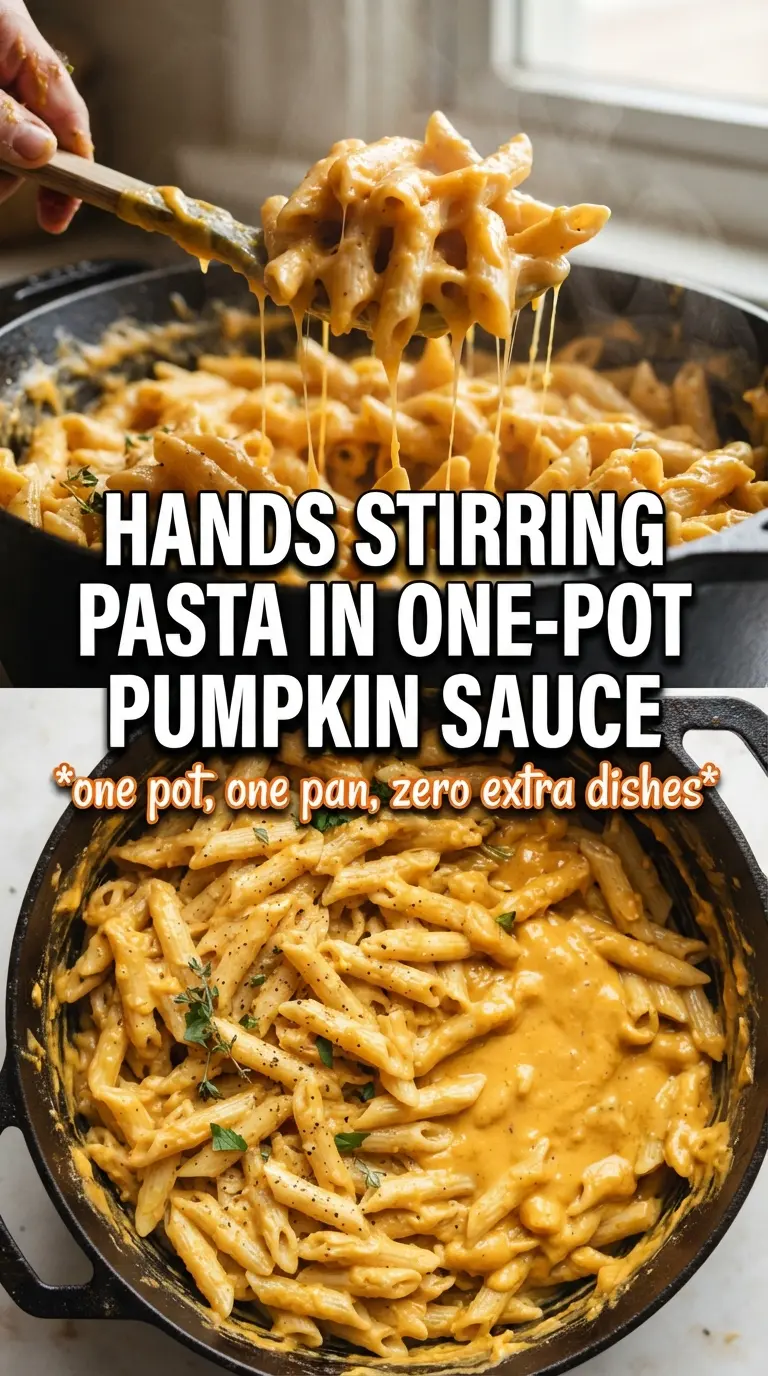
- Elbow pasta — It holds sauce in every curve and cooks evenly in the broth mixture. Short pasta shapes work best because they finish around the same time the sauce comes together.
- Chicken or vegetable broth — This seasons the pasta from the inside. Vegetable broth keeps it vegetarian, and either version gives you much better flavor than using plain water.
- Whole milk — You need the fat here for a smoother sauce. Lower-fat milk works in a pinch, but the result is thinner and less silky.
- Pumpkin puree — Use plain pumpkin puree, not pumpkin pie filling. The puree adds body, color, and a mellow sweetness that balances the sharp cheddar.
- Sharp cheddar — This is the main flavor, so choose one you’d happily eat on its own. Pre-shredded cheese works, but freshly shredded melts more smoothly because it doesn’t carry anti-caking starches.
- Cream cheese — This is the insurance policy against a broken or grainy sauce. It melts into the pot and gives the cheese a stable, creamy base.
- Dijon, smoked paprika, garlic powder, and nutmeg — These don’t make the dish taste “spiced”; they sharpen the cheddar and deepen the pumpkin so the sauce tastes finished instead of flat.
Building the Sauce So It Stays Creamy
Cooking the Pasta in the Liquid
Combine the uncooked pasta, broth, and milk in the pot and bring it up to a boil, then drop it to a simmer. You want the liquid moving gently around the noodles, not roaring so hard that the milk risks scorching on the bottom. Stir frequently and scrape the corners of the pot, because that’s where pasta likes to stick first. When the noodles are just tender and most of the liquid has been absorbed, stop there even if the pot still looks looser than you expect.
Melting in the Pumpkin and Dairy
Lower the heat before adding the pumpkin, butter, cream cheese, Dijon, smoked paprika, garlic powder, and nutmeg. High heat is the enemy at this stage; it can make the dairy separate before the sauce has a chance to come together. Stir until the cream cheese disappears completely and the pumpkin is evenly distributed. The mixture should look smooth and glossy before the cheddar goes in.
Adding the Cheddar Without Graininess
Add the shredded cheddar in handfuls, stirring each addition until it melts before adding more. Dumping it all in at once can cool the pot down too fast and leave you with clumps instead of a unified sauce. If the sauce starts looking tight, splash in a spoonful of milk or broth and stir until it loosens. Season with salt and pepper at the end, once the cheese is in, because cheddar and broth both bring salt of their own.
Add Breadcrumbs for a Baked Finish
If you want a little crunch, spoon the finished mac into a baking dish, top it with buttered breadcrumbs, and broil just until the top browns. This changes the dish from silky stovetop mac to something with a crisp lid, but it also adds a second pan and takes away the one-pot simplicity.
Make It Vegetarian
Use vegetable broth instead of chicken broth and the flavor still lands beautifully. Since cheddar and cream cheese carry the richness, you won’t miss the chicken stock in the final dish.
Make It Gluten-Free
Use a sturdy gluten-free elbow pasta and watch the liquid carefully, because some gluten-free pastas soften faster and can go from tender to mushy. Start checking a minute or two early and stop cooking when the noodles still have a little bite.
Dial Up the Savory Side
A little more Dijon or an extra pinch of smoked paprika pushes the dish farther from sweet squash territory and closer to classic mac and cheese. Keep the changes modest so the pumpkin still reads as background richness instead of the main note.
Storage and Reheating
- Refrigerator: Store leftovers in an airtight container for up to 4 days. The sauce will thicken as it chills.
- Freezer: It freezes, but the dairy sauce can turn a little grainy after thawing. If you freeze it, cool it completely, portion it tightly, and expect a softer texture when reheated.
- Reheating: Warm it gently on the stove or in the microwave with a splash of milk or broth, stirring often. High heat is what usually breaks the sauce or makes the pasta turn dry.
Answers to the Questions Worth Asking
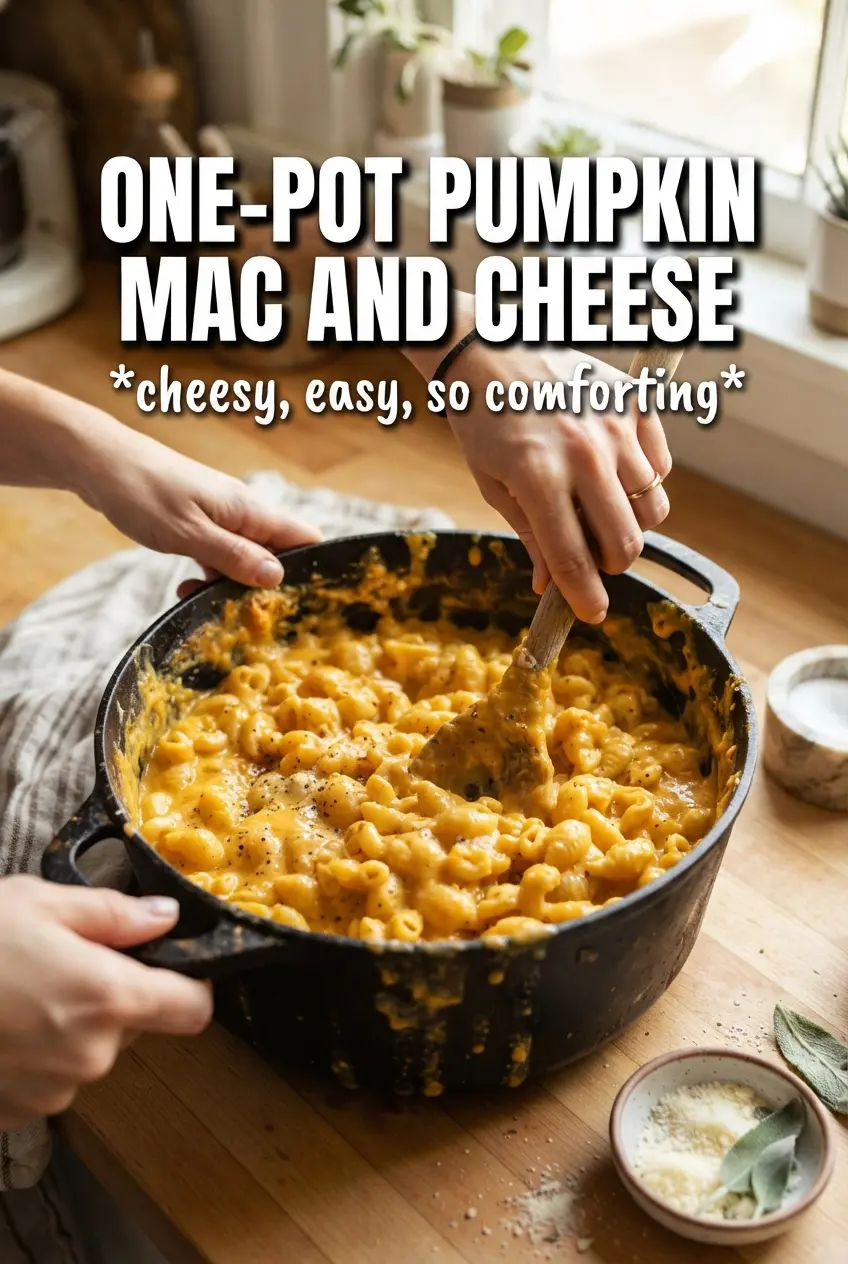
One-Pot Pumpkin Mac And Cheese
Ingredients
Equipment
Method
- Combine elbow pasta, chicken or vegetable broth, and whole milk in a large pot or Dutch oven, then bring to a boil over high heat. Look for active boiling bubbles around the edges.
- Reduce heat to a steady simmer, simmer uncovered for 8-10 minutes while stirring frequently, until the pasta is cooked and most liquid is absorbed. You should see creamy thickness developing as the pasta releases starch.
- Reduce heat to low, then stir in pumpkin puree, unsalted butter, cream cheese, Dijon mustard, smoked paprika, garlic powder, and nutmeg. Stir until the sauce turns smooth and orange-tinted.
- Add sharp cheddar in handfuls, stirring until each addition melts and the mac and cheese becomes creamy. Watch for a glossy, fully melted cheese texture with no visible streaks.
- Season with salt and pepper to taste, then serve immediately. The sauce should be thick and cling to the pasta.