Pale yellow lemon bars with a lavender shortbread crust have a way of disappearing fast because they hit that rare balance of bright, buttery, and just a little floral without tasting perfumed. The crust bakes into a tender, sandy base that holds up under the curd, and the filling sets into clean slices instead of oozing across the pan. That contrast is what makes these bars worth making again.
The trick is keeping the lavender restrained and the crust cold. Ground culinary lavender goes straight into the shortbread so the flavor is even and gentle, not patchy or harsh, and the butter stays cold until the moment it hits the oven. On the filling side, a little flour helps the lemon curd set firmly enough to cut neatly after chilling, which matters more here than in a softer lemon dessert.
Below, you’ll find the exact cues for when the crust is ready, how to know the filling is baked just enough, and the best way to finish the bars so they look as elegant as they taste.
The filling set up beautifully and the lavender stayed delicate instead of tasting like soap. I chilled them overnight and the squares came out clean with that buttery shortbread base holding together perfectly.
Save these lavender shortbread lemon bars for the day you want a silky lemon filling, a buttery crust, and a finish that looks bakery-level.
The Shortbread Base Needs to Stay Cold, Not Tough
A lot of lemon bar crusts turn hard because the butter gets worked too much before baking. Here, the shortbread should look like damp crumbs that barely hold together when pressed. That gives you a tender, sandy bite instead of a dense cookie layer.
The food processor helps, but the real test is in your hands. Stop pulsing as soon as the mixture clumps and press it firmly into the pan without kneading it. If the crust seems greasy before baking, the butter warmed up too much and the texture will come out flatter and less crumbly.
- Culinary lavender — Ground finely, it perfumes the crust without leaving woody bits behind. Use culinary lavender only; decorative lavender can taste bitter and dusty.
- Powdered sugar — It melts into the shortbread for a softer texture than granulated sugar would give. That fine texture helps the crust slice neatly after chilling.
- Cold butter — This is what keeps the crust tender. If you only have softened butter, chill the mixed dough for 10 to 15 minutes before pressing and baking.
- Egg yolks plus whole eggs — The extra yolks make the filling richer and help it set with a smoother, custard-like bite. Whole eggs alone would make the bars firmer and a little less plush.
- Fresh lemon juice and zest — Juice brings the tartness, but zest carries the lemon oil that makes the flavor pop. Bottled juice won’t give the same brightness, so use fresh lemons here.
What Each Ingredient Is Actually Doing in This Recipe

- Primary ingredient (the star) — Quality matters most. Choose the best you can find.
- Cooking medium (oil, butter, or broth) — This carries flavors and prevents dryness.
- Seasonings (salt, pepper, spices, herbs) — Layer flavors so nothing overpowers. Build depth gradually.
- Aromatics (garlic, onion, herbs) — Cook with fat to bloom flavors. Become the foundation.
- Supporting ingredients — Complement the main ingredient without overpowering it.
- Sauce or liquid (if applicable) — Brings flavors together. Balance richness with acid.
- Acid (lemon, vinegar, wine, or other) — Brightens and prevents flat-tasting results.
- Final finish (garnish, glaze, or sauce) — Prevents one-dimensional taste and adds visual appeal.
Building the Filling So It Bakes Up Smooth
Mix the filling until the sugar dissolves and the flour disappears, but don’t beat in a lot of air. Air bubbles rise in the oven and leave the surface pocked instead of glossy. The mixture should look pale and fluid, not foamy.
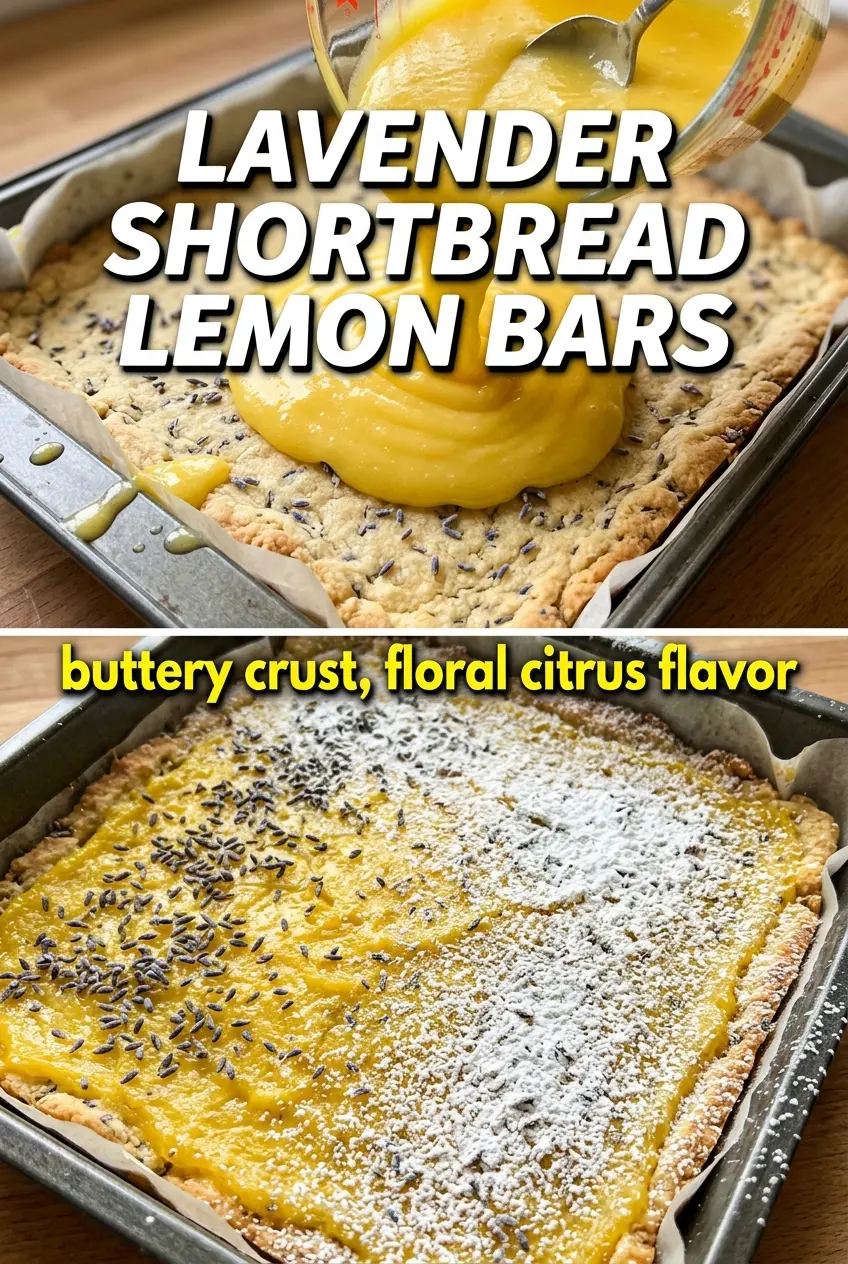
Pour it over the warm crust, not a fully cooled one. The slight heat helps the layers bond, which keeps the bars from separating when you cut them. Bake until the center has just the faintest wobble; if it sloshes, it needs more time, and if it puffs aggressively, it has gone too far.
Pressing and Prebaking the Crust
Line the pan with parchment so the bars lift out cleanly later, then press the crust in an even layer all the way to the corners. Thin spots bake too fast and can taste dry, so spend a minute smoothing the surface. Pull it from the oven when the edges are lightly golden and the center looks set but not browned.
Whisking the Lemon Layer
Whisk the eggs, yolks, sugar, lemon juice, zest, and flour until the mixture looks completely smooth and uniform. The flour should be fully dissolved or you’ll end up with little streaks in the finished curd. If you see foam on top, let the bowl sit for a minute before pouring so the bubbles settle.
Baking Until Just Set
Return the pan to the oven and watch the center closely near the end of baking. The edges should look firm and the middle should have only a small wobble when you nudge the pan. Pull it before it looks fully solid; the filling finishes setting as it cools and chills.
Chilling and Cutting Clean Squares
Let the bars cool completely at room temperature, then refrigerate until firm. That two-hour chill is what gives you sharp cuts and a clean finish. Use a sharp knife wiped clean between cuts if you want those neat bakery-style squares.
How to Adjust These Bars Without Losing the Balance
Make Them Gluten-Free
Swap the all-purpose flour in both the crust and filling for a 1:1 gluten-free baking blend. The crust may be a little more delicate, but the bars still slice well once fully chilled. Use a blend that already contains xanthan gum so the shortbread holds together.
Dial the Lavender Down for a Softer Finish
If you want the lemon to lead, reduce the lavender in the crust to 1/2 teaspoon. You still get the floral note, but the bars taste brighter and less aromatic, which works well if you’re serving them to people who are cautious about lavender desserts.
Use Meyer Lemons When You Want a Rounder Citrus Flavor
Meyer lemons soften the tart edge and bring a slightly floral sweetness that plays nicely with the lavender. Because they’re less sharp than regular lemons, the bars will taste gentler and a little less punchy. Keep the same amount of juice and zest.
Storage and Reheating
- Refrigerator: Store covered for up to 5 days. The crust softens a little after the first day, but the bars still slice cleanly.
- Freezer: These freeze well. Wrap the cut bars individually, then store in an airtight container for up to 2 months; thaw in the refrigerator so the filling doesn’t get sticky.
- Reheating: Don’t reheat these bars. Serve them chilled or at cool room temperature for the cleanest texture and the best slice.
Answers to the Questions Worth Asking
Lavender Shortbread Lemon Bars
Ingredients
Equipment
Method
- Preheat the oven to 350°F and line a 9x13 pan with parchment paper, leaving overhang for easy lifting later.
- Pulse the all-purpose flour, powdered sugar, salt, dried culinary lavender, and cubed cold butter until the mixture just comes together.
- Press the crust mixture firmly and evenly into the prepared pan.
- Bake for 18-20 minutes, until lightly golden.
- Whisk the eggs, additional egg yolks, granulated sugar, lemon juice, lemon zest, and all-purpose flour until smooth.
- Pour the lemon curd over the warm crust.
- Bake for 18-22 minutes, until the filling is just set with no jiggle in the center.
- Cool completely at room temperature before chilling.
- Refrigerate for at least 2 hours, until firm.
- Dust generously with powdered sugar, then scatter dried lavender buds and lemon zest curls over the top.
- Cut into 16 bars and serve.