Lemon sorbet should taste like a bright, cold snap of citrus, and this version keeps that clean edge without tipping into sugary heaviness. It freezes into a fine, scoopable texture that feels light on the spoon and wakes up your palate instead of coating it. The honey gives just enough body to keep the sorbet from tasting thin, but the lemon still stays in charge.
The trick is starting with a completely cooled syrup before it meets the lemon juice. If the base goes into the freezer warm, the texture turns icy before it has a chance to freeze evenly. Stirring once an hour helps break up crystals, and using a shallow container speeds up the freeze so you get a smoother result.
Below, I’ve included the one step that matters most for keeping the texture fine, plus a couple of smart swaps if you want to make the sorbet a little more tart, a little sweeter, or fully dairy-free without changing the character of the dessert.
The syrup cooled all the way down before I mixed it in, and the sorbet froze up with tiny crystals instead of that crunchy ice texture. The lemon flavor stayed sharp and clean.
Like this bright, low sugar lemon sorbet? Save it to Pinterest for the days when you want an icy dessert with pure citrus bite and almost no fuss.
The Hidden Reason Lemon Sorbet Turns Icy Instead of Smooth
The biggest mistake with sorbet is freezing the base before the sweetener has fully dissolved and the mixture has fully cooled. That leaves you with uneven freezing, which shows up as hard shards instead of a clean, even scoop. Honey helps here because it lowers the freezing point a bit and gives the sorbet a softer texture than plain lemon juice and water ever could.
Shallow containers matter more than people think. A deep bowl freezes slowly and unevenly, so the edges set first and the center lags behind. A shallower container lets you stir through the whole mixture faster, which is what keeps the texture fine rather than chunky.
- Honey or agave — Either one works here, but honey gives a rounder, slightly floral sweetness that softens the lemon’s sharpness. Agave keeps the flavor a touch cleaner and more neutral if you want the citrus to stay front and center.
- Fresh lemon juice — Bottled juice won’t give the same brightness or aroma. Fresh juice tastes sharper and more alive, and that matters in a recipe with so few ingredients.
- Lemon zest — This is where the biggest burst of lemon oil comes from. Don’t skip it; the juice brings tartness, but the zest brings perfume.
- Water — You’re not just diluting the lemon here. The water helps the sorbet freeze with a cleaner scoop and keeps the acid from tasting harsh.
What Each Ingredient Is Actually Doing in This Ice Cream
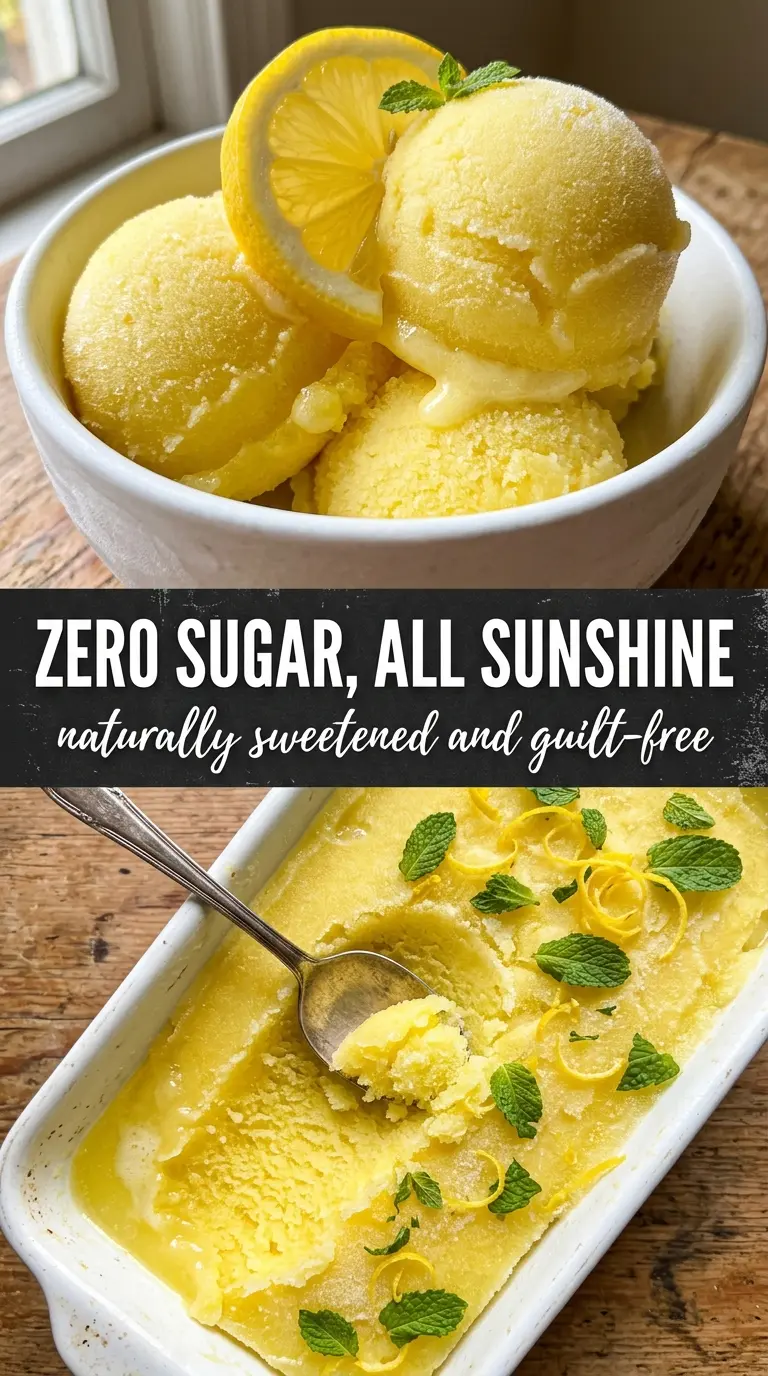
- Base ingredient (cream, milk, or custard) — This provides the foundation and richness. Quality matters.
- Sweetener (sugar, honey, or condensed milk) — This sweetens and prevents ice crystals. The ratio is critical.
- Flavor element (vanilla, fruit, chocolate, or other) — This defines the ice cream personality. Use quality ingredients.
- Egg yolks (if making custard base) — These create richness and silky texture. Optional but elevates ice cream.
- Churning (if using ice cream maker) — This incorporates air and prevents ice crystals. Critical for smooth texture.
- Freezing temperature and time — Proper freezing prevents rock-hard texture. Store at 0°F or below.
- Mix-ins (chocolate, cookies, fruit, or swirls) — These add texture and prevent one-dimensional flavor. Add near end of churning.
- Serving temperature (slightly soft, not rock hard) — This provides creamy mouthfeel. Remove from freezer 5 minutes before serving.
Cooling the Base Before It Hits the Freezer
Dissolving the Sweetener Completely
Warm the water, honey, and salt over low heat until the honey disappears into the liquid and the syrup looks clear. You don’t need a simmer, and you don’t want one; high heat drives off freshness and makes the syrup harder to cool later. If you still see streaks of honey at the bottom, keep stirring until the mixture looks uniform.
Mixing in the Citrus
Let the syrup cool all the way to room temperature before adding the lemon juice and zest. If you add the citrus while the syrup is warm, the zest gets muted and the sorbet can taste flat. Stir everything together, taste it, and adjust before freezing; the flavor should taste a little sharper than you want the final sorbet to be, since freezing softens perceived sweetness.
Freezing for a Fine, Scoopable Texture
Pour the mixture into a shallow freezer-safe container and freeze it for about four hours, stirring vigorously every hour. The stirring breaks up ice crystals as they form, which is the difference between a fluffy sorbet and a hard block. If the edges are already firm but the center is slushy, scrape the sides back into the middle and keep going.
Using an Ice Cream Maker Instead
If you’re churning instead of hand-stirring, pour the fully chilled base into the machine and let it run for 20 to 25 minutes, until it looks thick and holds soft ribbons. Don’t churn it past that point or the texture can turn dense instead of airy. Transfer it to a container and freeze briefly if you want a firmer scoop.
Three Smart Ways to Adjust This Sorbet Without Losing the Bright Lemon Bite
Make It Vegan and Fully Plant-Based
Use agave instead of honey and the sorbet stays completely plant-based. Agave is a little less floral than honey, so the lemon comes through sharper and cleaner. If you want the most neutral flavor possible, this is the best swap.
Turn Up the Tartness
Add an extra tablespoon of lemon juice and a little more zest if you want a sharper finish. The tradeoff is that the sorbet will taste less soft and rounded, so don’t push the acid too far unless you like a bracing, almost palate-cleansing edge.
Use an Ice Cream Maker for a Fluffier Scoop
Churning gives you a softer, lighter texture than hand-freezing because the machine works air into the base while it freezes. That said, the sorbet will still harden a bit in the freezer after churning, so serve it soon after it sets for the smoothest texture.
Make It Ahead Without Losing Texture
This sorbet keeps best when it’s frozen in a shallow container with parchment pressed directly on the surface. That limits ice crystals and helps it stay scoopable for several days. If it firms up too much, let it sit at room temperature for 5 to 10 minutes before serving.
Storage and Reheating
- Refrigerator: Not recommended. Sorbet melts fast and won’t reset with the same texture once thawed.
- Freezer: Freeze up to 2 weeks in a tightly sealed container. Press parchment or plastic wrap directly on the surface to slow ice crystals.
- Reheating: Not applicable. For serving, let it stand at room temperature for 5 to 10 minutes so it loosens enough to scoop without turning slushy.
Questions I Get Asked About This Recipe
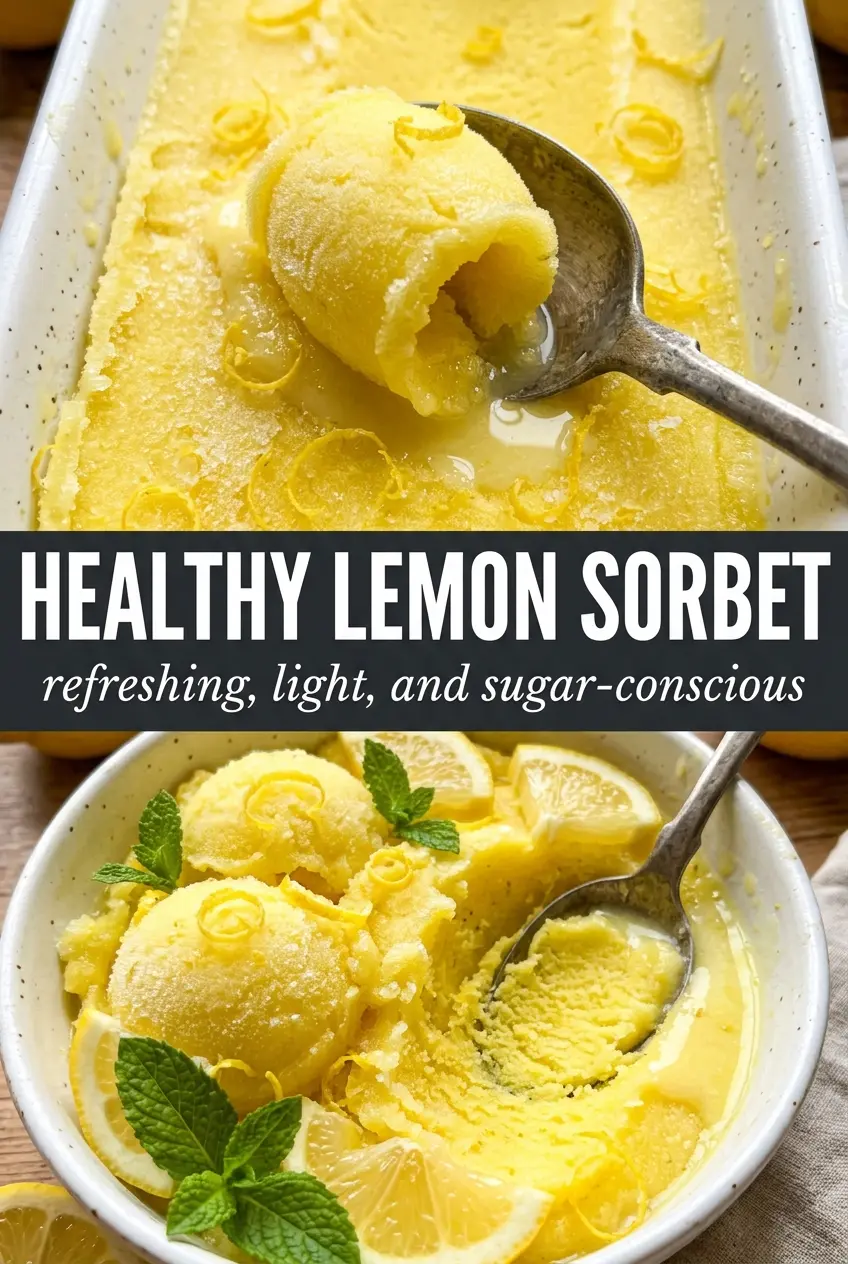
Healthy Lemon Sorbet
Ingredients
Equipment
Method
- Combine honey or agave, water, and salt in a saucepan over low heat, stirring until the honey dissolves completely and the liquid looks clear.
- Cook for 1-2 minutes over low heat to fully dissolve, then remove from heat.
- Cool the honey syrup completely, then whisk together the cooled syrup with fresh lemon juice and lemon zest until evenly bright.
- Taste and adjust sweetness or tartness by adding more honey or agave for sweetness or more lemon juice for tartness.
- Pour the mixture into a shallow freezer-safe container, then freeze for 4 hours, stirring vigorously every hour to break up ice crystals.
- Alternatively, pour the mixture into an ice cream maker and churn for 20-25 minutes until it thickens into soft sorbet.
- Spoon into chilled bowls or serve in hollowed lemon halves, then top with fresh mint and a light shower of lemon zest.