These gluten-free pumpkin spice snickerdoodle cookies bake up with crisp edges, soft centers, and that classic cinnamon-sugar crackle that makes a snickerdoodle worth reaching for twice. The pumpkin stays in the background just enough to add warmth and color without turning the cookies cakey, so you still get the tangy, lightly chewy texture people expect from a real snickerdoodle.
The trick is keeping the pumpkin puree extremely dry before it ever hits the bowl. Gluten-free dough already needs a little more structure than a standard cookie dough, and wet pumpkin can push it straight into dense, puffy territory. Cream of tartar gives these cookies their signature tang, while the butter-and-sugar base gets beaten until fluffy so the finished cookies spread just enough and crackle on top instead of staying tight and heavy.
Below, I’ve included the one prep step that matters most, plus the ingredient swap that helps this recipe work without losing that traditional snickerdoodle feel.
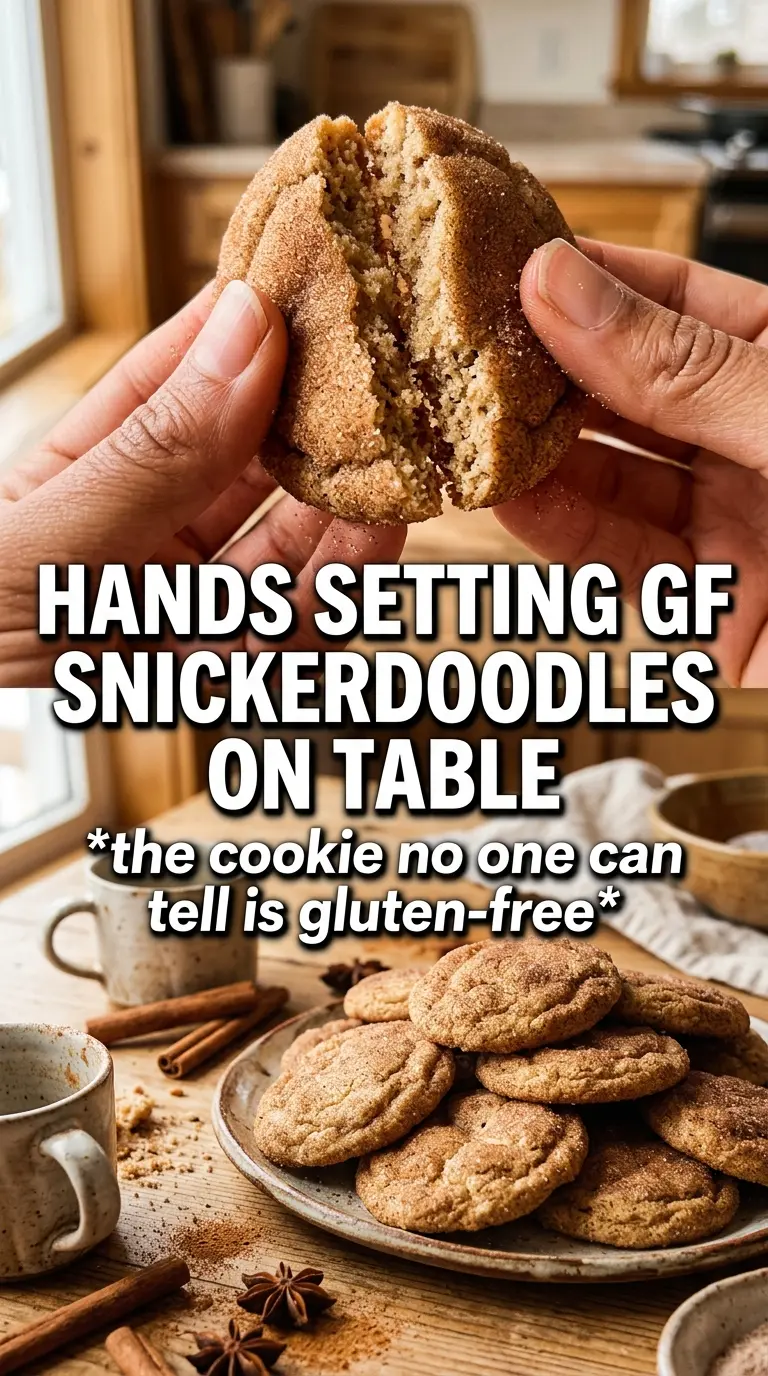
The cookies stayed soft in the middle but still had those crinkly cinnamon tops, and blotting the pumpkin made a bigger difference than I expected. Mine baked up looking just like regular snickerdoodles with a hint of pumpkin flavor.
Like these gluten-free pumpkin spice snickerdoodles? Save them to Pinterest for the days when you want a crinkly cookie with warm spice and a soft center.
The One Prep Step That Keeps These Cookies from Turning Cakey
Most pumpkin cookies drift into muffin-top territory because the pumpkin adds more moisture than the dough can handle. That matters even more here because gluten-free flour blends tend to absorb liquid differently from wheat flour, and once the dough gets too wet, the cookies spread unevenly or puff instead of crinkling. The fix is simple: blot the pumpkin puree until it looks thick and almost dry before mixing it in.
That one step protects the texture of the finished cookie. You still get pumpkin color and a little warmth in the background, but the dough stays sturdy enough to roll cleanly in cinnamon sugar and bake into proper snickerdoodle cracks. If your dough looks soft or sticky after mixing, it usually means the pumpkin still held too much water.
- Gluten-free all-purpose flour blend with xanthan gum — This gives the cookies their structure. A blend that already contains xanthan gum is the easiest route because it helps the dough hold together and keeps the cookies from crumbling when you roll them.
- Cream of tartar — This is what makes a snickerdoodle taste like a snickerdoodle. It brings the gentle tang and helps create that classic crackly top when paired with baking soda.
- Pumpkin puree — Use plain pumpkin puree, not pumpkin pie filling. The puree has to be blotted until very dry, or the cookies will bake up too soft and cake-like.
- Butter — Softened butter beats into the sugar and creates the airy base that helps the cookies spread properly. Don’t melt it; melted butter makes the dough greasy and flatter than you want.
What Each Ingredient Is Actually Doing in This Recipe
- Primary ingredient (the star) — Quality matters most. Choose the best you can find.
- Cooking medium (oil, butter, or broth) — This carries flavors and prevents dryness.
- Seasonings (salt, pepper, spices, herbs) — Layer flavors so nothing overpowers. Build depth gradually.
- Aromatics (garlic, onion, herbs) — Cook with fat to bloom flavors. Become the foundation.
- Supporting ingredients — Complement the main ingredient without overpowering it.
- Sauce or liquid (if applicable) — Brings flavors together. Balance richness with acid.
- Acid (lemon, vinegar, wine, or other) — Brightens and prevents flat-tasting results.
- Final finish (garnish, glaze, or sauce) — Prevents one-dimensional taste and adds visual appeal.
Building the Dough So It Crinkles Instead of Spreads
Whipping the Butter and Sugar
Beat the softened butter and granulated sugar until the mixture looks pale, fluffy, and a little larger in volume. That air in the base is what gives the cookies lift without making them cakey. If you stop too early, the dough will be dense and the cookies will bake up heavy.
Bringing in the Pumpkin and Egg
Add the egg, blotted pumpkin puree, and vanilla next, mixing just until combined. The dough may look slightly uneven at this stage, and that’s fine. What you don’t want is a loose, glossy batter; if it looks wet enough to pour, the pumpkin still needs more blotting.
Folding in the Dry Ingredients
Add the gluten-free flour, cream of tartar, baking soda, cinnamon, pumpkin pie spice, nutmeg, and salt. Mix only until the flour disappears. Overmixing can make the dough gummy, especially with gluten-free flour, and it can also tighten the texture so the cookies lose that tender middle.
Rolling for a Strong Cinnamon Crust
Mix the coating sugar, cinnamon, and pumpkin pie spice in a shallow bowl, then scoop 1 1/2-tablespoon portions and roll them generously. A heavy coating is part of the cookie’s character here. If the dough feels too sticky to roll, chill it for 10 to 15 minutes instead of adding more flour, which can dry the cookies out.
Baking Until the Tops Crackle
Bake at 375°F for 10 to 12 minutes, watching for set edges and crinkled tops. The centers should still look a little soft when you pull the tray, because they finish setting as they cool. If you wait until they look completely done in the oven, they’ll end up dry instead of chewy.
Make Them Dairy-Free
Use a sturdy plant-based butter stick in place of the unsalted butter. The cookies will still spread and brown, but the flavor will be a little less rich, so the cinnamon-sugar coating matters even more.
If Your Gluten-Free Blend Is Gritty
A finer rice-based blend usually bakes up smoother than a coarse mix. If your flour blend tends to taste sandy, let the dough rest for 10 minutes before scooping so it can hydrate a bit before baking.
For a Stronger Pumpkin Note
Add an extra 1/4 teaspoon pumpkin pie spice, not more pumpkin puree. More puree changes the texture; extra spice deepens the flavor without making the cookies cakey.
Storage and Reheating
- Refrigerator: Store in an airtight container for up to 5 days. They soften a little as they sit, but the centers stay pleasantly chewy.
- Freezer: Freeze baked cookies for up to 2 months, or freeze the dough balls after rolling them in cinnamon sugar. Freeze them on a tray first so they don’t stick together.
- Reheating: Warm baked cookies in a 300°F oven for 3 to 4 minutes. The common mistake is microwaving them too long, which makes the texture rubbery instead of bringing back the soft middle.
Questions I Get Asked About This Recipe
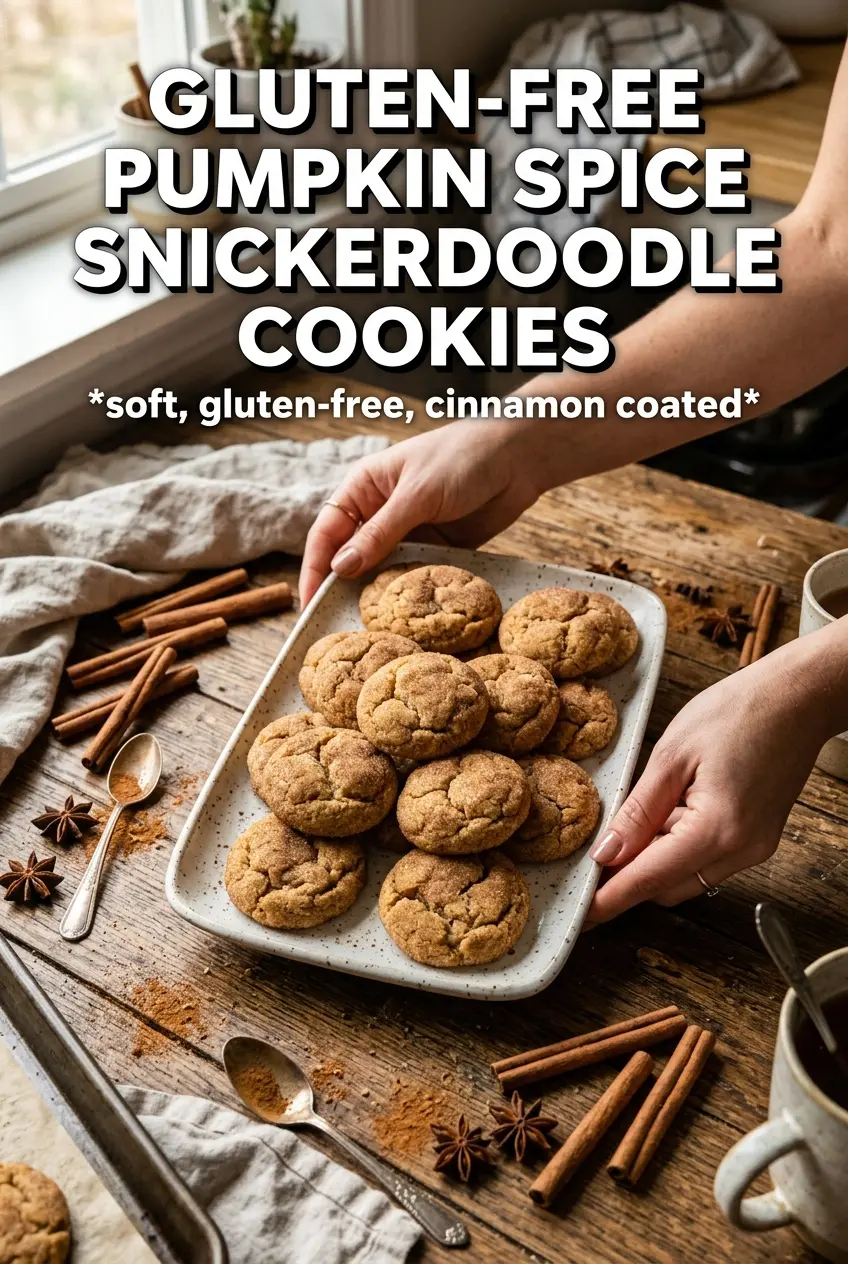
Gluten-Free Pumpkin Spice Snickerdoodle Cookies
Ingredients
Equipment
Method
- Preheat oven to 375F and line baking sheets.
- Blot the pumpkin puree very dry; this is even more important for gluten-free cookies.
- Beat the softened butter and granulated sugar until very fluffy.
- Add the egg, blotted pumpkin puree, and vanilla and beat until combined.
- Fold in the gluten-free flour blend, cream of tartar, baking soda, cinnamon, pumpkin pie spice, nutmeg, and salt until no dry streaks remain.
- Mix the rolling spices in a shallow bowl to make the cinnamon-sugar coating.
- Scoop dough into 1-1/2 tablespoon balls, then roll generously in the cinnamon spice sugar.
- Bake for 10-12 minutes at 375F until crinkled and set.