Pumpkin pasta sauce settles into rigatoni with a silky, clingy coat that tastes richer than it looks. The pumpkin brings body and a gentle sweetness, while parmesan, garlic, and a little white wine keep it from turning flat or one-note. It lands in that sweet spot between comforting and polished, which is why it earns repeat status instead of feeling like a one-off fall dinner.
The texture depends on a few small decisions. Onion and garlic need a little time in the pan before the wine goes in, because that first layer of sweetness keeps the sauce from tasting raw. Cream and pumpkin simmer together long enough to lose their canned edge, and the reserved pasta water loosens everything just enough for the sauce to coat the noodles instead of sitting in a puddle underneath them.
Below, I’ll show you how to keep the sauce smooth, when to add the parmesan, and the one adjustment that keeps it glossy if it tightens up while you toss the pasta.
The sauce turned out silky and held onto the rigatoni beautifully. I added a splash more pasta water at the end and the parmesan melted in without getting grainy.
Save this pumpkin pasta sauce for a silky rigatoni dinner with parmesan, sage, and just enough cream to keep it glossy.
The Trick to Keeping Pumpkin Sauce Silky Instead of Grainy
Pumpkin sauce can turn pasty fast if it gets too hot or if the cheese goes in before the sauce has settled. The pumpkin itself isn’t the problem; the issue is rushing the emulsion. Cream softens the puree, but parmesan needs a gentle hand or it can clump and turn sandy.
The safest move is to keep the sauce at a low simmer after the cream goes in. You want small bubbles around the edge, not an aggressive boil. If the sauce ever starts looking tight or broken, pull it off the heat and stir in a splash of pasta water before adding more cheese. That thin, starchy water helps the sauce come back together and cling to the pasta.
What Each Ingredient Is Actually Doing in This Sauce
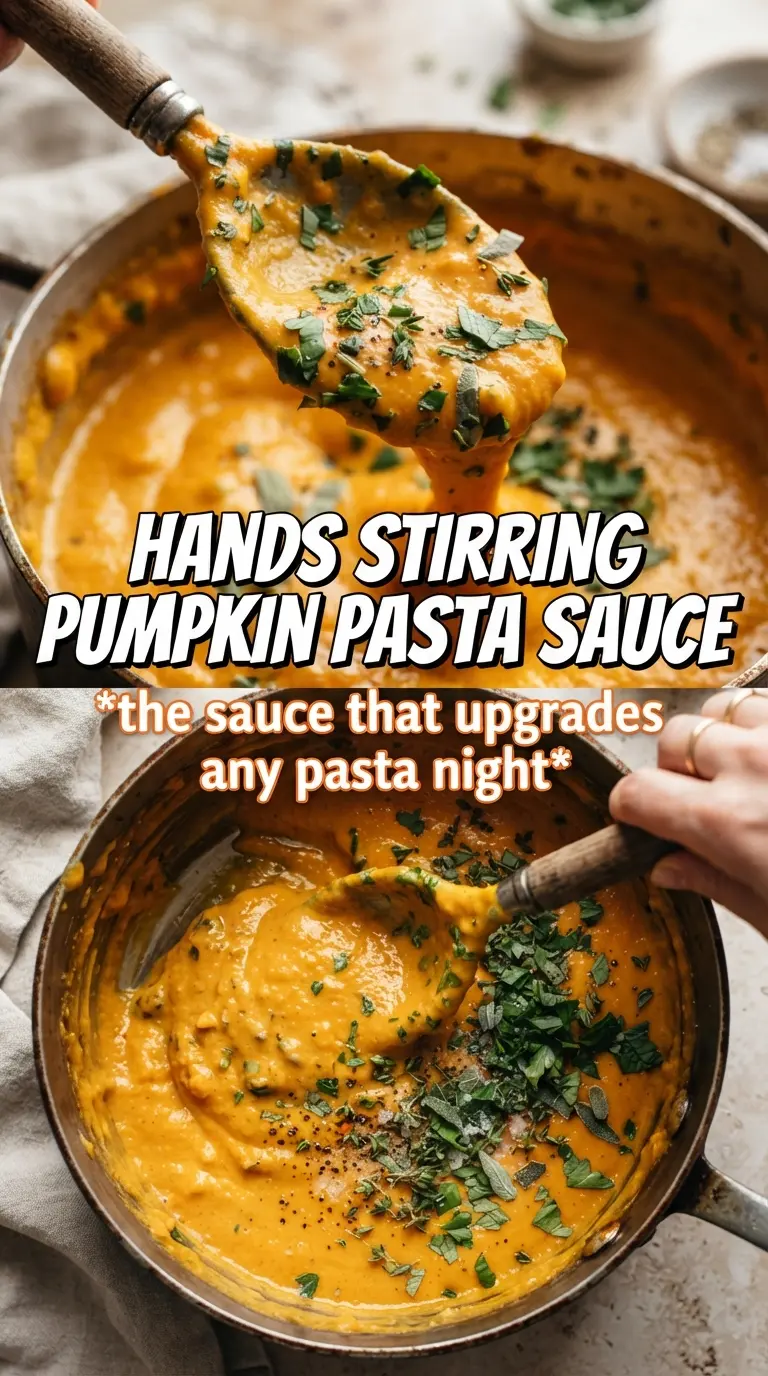
- Pumpkin puree — This is the body of the sauce. Use plain pumpkin puree, not pumpkin pie filling. The canned version is fine here because it gets cooked with cream, wine, and aromatics long enough to taste rounded instead of flat.
- Heavy cream — This keeps the sauce smooth and luxurious. Half-and-half will work in a pinch, but the sauce will be thinner and more likely to feel loose on the pasta. If you use a lighter dairy, reduce the pasta water slowly so you don’t over-thin it.
- Dry white wine — The wine cuts the sweetness of the pumpkin and gives the sauce a little lift. Let it cook for the full two minutes so the raw alcohol burns off. If you don’t cook with wine, use a splash of vegetable broth plus a teaspoon of lemon juice.
- Parmesan — This is what turns the sauce from creamy to savory. Grate it finely so it melts without turning stringy. Pre-shredded cheese often has anti-caking agents that can make the sauce less smooth.
- Fresh sage — Sage gives the finished dish a sharper, woodsy note that plays well with pumpkin. If you only have dried sage, use a small pinch in the sauce and add a little extra parmesan at the end to balance the flavor.
Building the Sauce So It Clings to the Pasta
Softening the Onion First
Start with the onion in olive oil and let it cook until it looks translucent and just starts to soften at the edges. That base matters because raw onion can make the sauce taste harsh, especially with the sweetness of pumpkin. When you add the garlic, keep it brief; once it smells fragrant, move on quickly so it doesn’t brown and turn bitter.
Cooking Off the Wine
When the white wine hits the pan, it should hiss and release steam right away. Let it bubble for about two minutes until the sharp smell fades and the liquid looks slightly reduced. If you rush this part, the sauce can taste thin and a little boozy instead of balanced.
Letting the Pumpkin Simmer
After the pumpkin, cream, spices, and pepper flakes go in, keep the heat low and steady. The sauce should thicken enough to coat a spoon, but it shouldn’t ever boil hard. A hard boil can make the dairy taste split and can mute the nutmeg and sage.
Finishing with Pasta Water and Cheese
Add the cooked pasta straight into the skillet, then splash in pasta water a little at a time until every ridge is coated. Turn the heat down before adding parmesan so it melts into the sauce instead of clumping. If the sauce tightens as it sits, another spoonful of pasta water brings it right back.
Dairy-Free Pumpkin Pasta Sauce
Swap the cream for full-fat canned coconut milk and use a dairy-free parmesan-style topping or skip the cheese entirely. The sauce will still be silky, but it picks up a faint coconut note, so keep the sage and garlic in place to steer it back toward savory.
Gluten-Free Dinner Bowl
Use your favorite gluten-free rigatoni or penne and reserve a little extra pasta water, since gluten-free pasta often needs more help loosening the sauce. Cook the pasta just to al dente so it doesn’t break apart when you toss it in the skillet.
Make It Richer and More Savory
Stir in a spoonful of mascarpone or a little extra parmesan at the end if you want a thicker, more luxurious sauce. This version coats pasta more heavily and tastes closer to a restaurant cream sauce, but it also needs a bit more pasta water to stay fluid.
Storage and Reheating
- Refrigerator: Store leftovers in an airtight container for up to 4 days. The sauce thickens as it sits, so expect it to look denser after chilling.
- Freezer: It freezes, but the cream can separate a little when thawed. For the best texture, freeze the sauce without the pasta and whisk it well as it reheats.
- Reheating: Warm it slowly on the stove over low heat with a splash of water, milk, or broth. High heat is what breaks a creamy sauce, especially one thickened with cheese.
Answers to the Questions Worth Asking
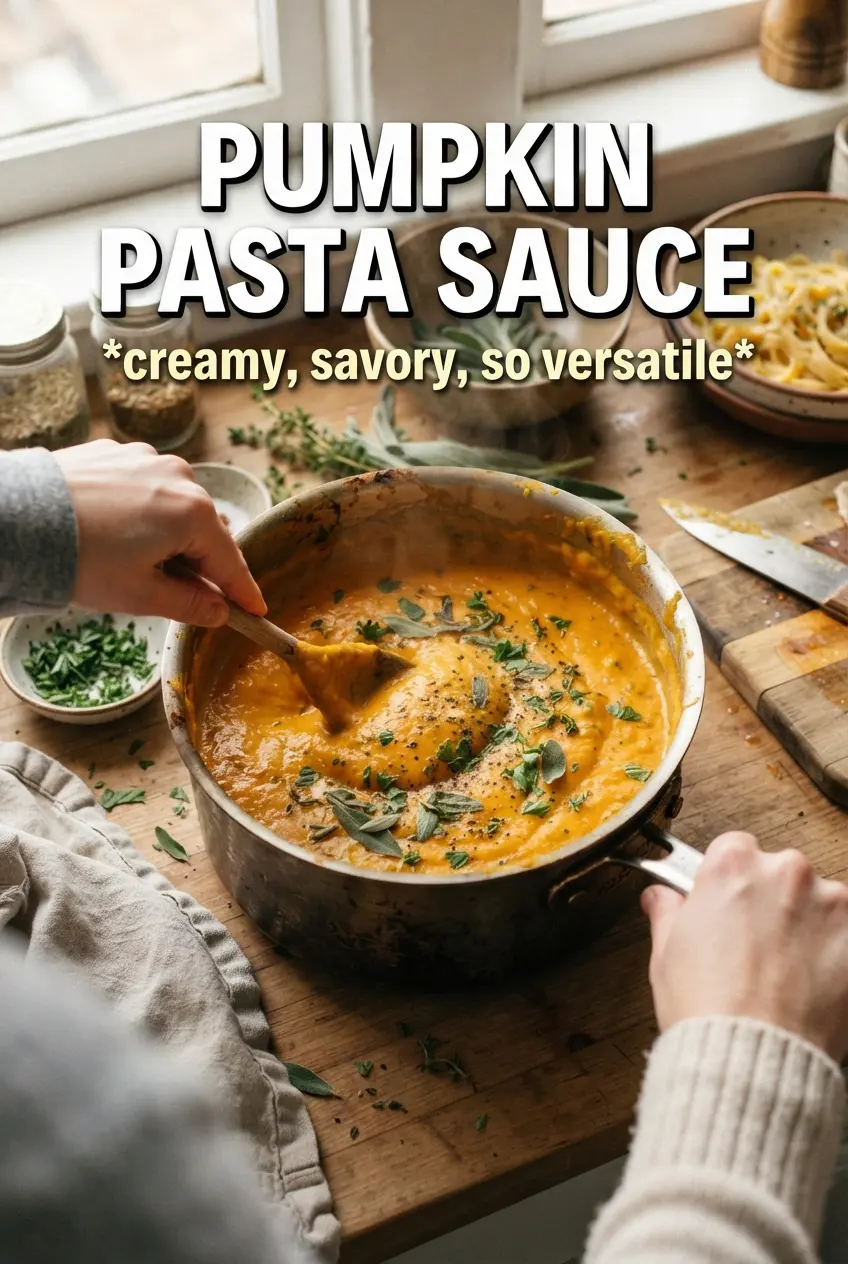
Pumpkin Pasta Sauce
Ingredients
Equipment
Method
- Cook rigatoni or penne in boiling salted water until al dente, then reserve 1 cup pasta water for the sauce.
- Drain the pasta and keep it ready to toss with the sauce, leaving the reserved pasta water nearby.
- Heat olive oil in a large skillet over medium heat, then sauté onion for 4 minutes until softened.
- Add minced garlic and cook for 1 minute, stirring so it doesn’t brown.
- Pour in dry white wine to deglaze and cook for 2 minutes, scraping up any browned bits from the pan.
- Add pumpkin puree, heavy cream, Italian seasoning, nutmeg, and red pepper flakes, then simmer for 8 minutes until the sauce thickens and looks deep-orange and silky.
- Stir in parmesan until melted and smooth, keeping the heat at a steady simmer.
- Add the cooked rigatoni or penne to the skillet and toss, adding pasta water as needed to loosen the sauce so it clings to the pasta.
- Season with salt and pepper to taste, then serve with fresh sage and extra parmesan.