Glossy cranberry sauce with burst berries and a bright orange finish earns its place on the table because it tastes fresh, not canned, and it sets up with just enough body to spoon cleanly beside everything else on the plate. The berries stay a little whole, the juice turns deep red, and the orange and cinnamon keep the sweetness from going flat.
The trick is starting with a little brown sugar along with the granulated sugar. That gives the sauce a rounder, caramel-like backbone without making it taste heavy. Orange juice does more than add flavor here, too — it supplies the liquid and keeps the sauce from tasting one-note, while the vanilla goes in at the end so it stays soft and fragrant instead of cooking off.
Below you’ll find the small details that matter: when to stop cooking before the sauce turns jammy, why it thickens as it cools, and how to adjust it if you want it sharper, sweeter, or a little more citrusy.
The sauce thickened up beautifully as it cooled, and the orange zest at the end made it taste bright instead of overly sweet. I served it with roast turkey and ended up using the leftovers on yogurt the next morning.
Save this cranberry sauce for the bright, glossy finish that makes turkey, ham, and leftovers taste better.
The Small Mistake That Makes Cranberry Sauce Thin Instead of Glossy
Cranberry sauce gets watery when it’s pulled off the heat too early or cooked hard enough that the sugars never get a chance to dissolve before the berries break down. The sauce should come to a real boil first, then settle into a steady simmer where the berries pop and the liquid reduces into something glossy. If it still looks loose in the pan, that’s normal. It thickens a lot as it cools.
The other common mistake is overcooking it until every berry collapses and the sauce turns dull and pasty. Stop when most of the cranberries have burst but a few are still holding shape. That gives you texture, and it keeps the finished sauce from tasting flat.
- Boiling the sugar first — This dissolves the granules before the cranberries go in, which helps the sauce cook evenly instead of tasting gritty.
- Simmering, not raging — A hard boil after the berries are added can make the sauce spatter and reduce too fast on the bottom before the fruit softens.
- Cooling before judging thickness — Cranberries contain natural pectin, and that set happens as the sauce drops in temperature.
What Each Ingredient Is Actually Doing in This Cranberry Sauce
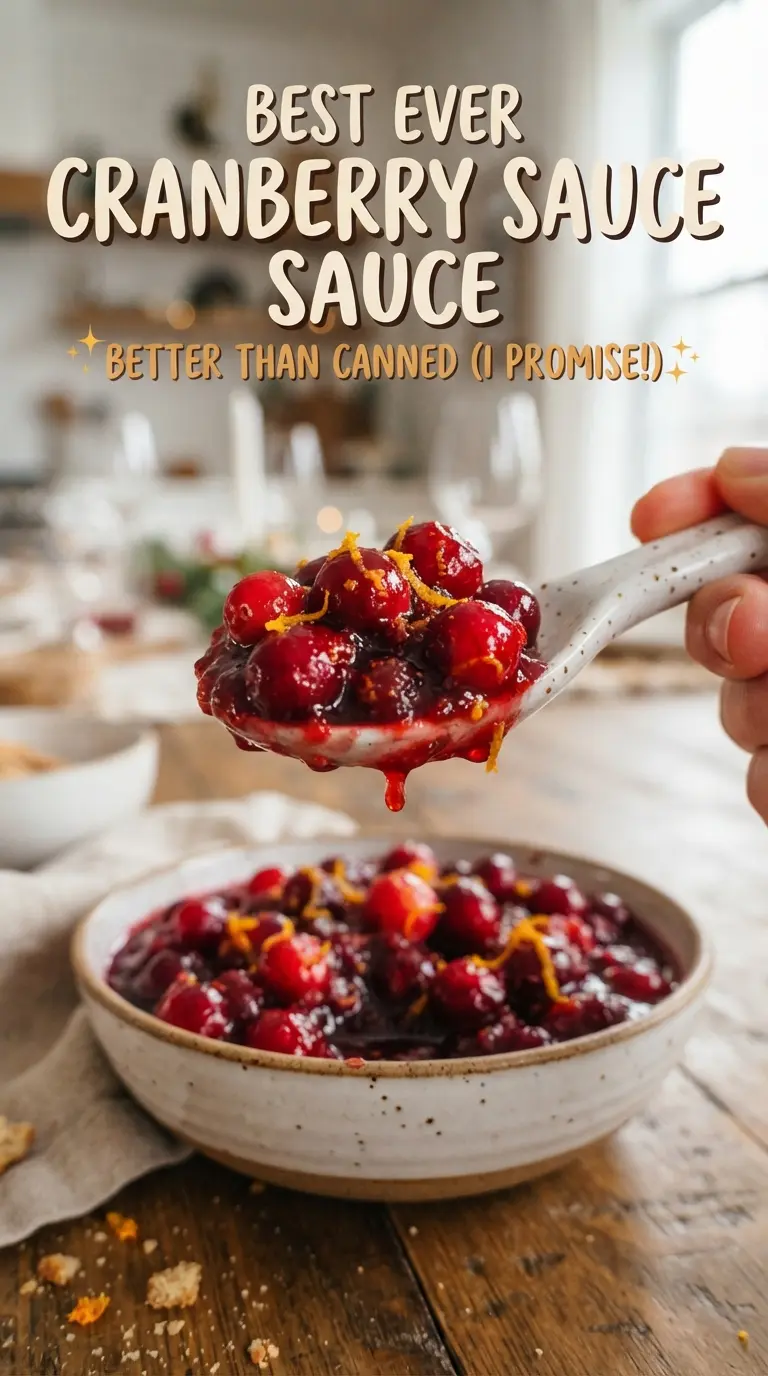
- Fresh cranberries — These are nonnegotiable for the best texture. Frozen cranberries work too, straight from frozen, but don’t thaw them first or you’ll release extra liquid and slow the thickening.
- Granulated sugar and brown sugar — The white sugar keeps the sauce bright and clean, while the brown sugar adds depth. If you only have granulated sugar, the sauce will still work, just with a sharper edge.
- Orange juice and zest — Juice gives the sauce its liquid and a natural sweetness that plain water can’t match. Zest goes in at the end for a fresher citrus aroma, which disappears if it cooks too long.
- Cinnamon stick — A whole stick adds warmth without leaving gritty spice behind. Ground cinnamon can work in a pinch, but use a light hand or the sauce will taste dusty.
- Vanilla extract — Stir it in off the heat so the flavor stays round and fragrant. It smooths out the tartness and makes the sauce taste finished.
Cooking the Cranberries Until They Burst, Then Stopping at the Right Moment
Start with the syrup base
Combine the sugars, orange juice, water, cinnamon stick, and salt in a saucepan and bring it to a boil while stirring. You want the sugar fully dissolved before the cranberries go in, because undissolved sugar can sink and scorch. The liquid should look clear and unified, not grainy on the bottom.
Cook until the berries pop
Add the cranberries and bring everything back to a boil, then lower the heat to a lively simmer. Stir often, and listen for the berries to start popping and softening against the spoon. If the mixture looks too thin at this stage, don’t rush it with higher heat; that just reduces the liquid before the fruit can break down evenly.
Finish off the heat
After 10 to 12 minutes, most berries should have burst and the sauce should coat a spoon lightly. Pull the pan from the heat, stir in the orange zest and vanilla, and take out the cinnamon stick. Let it cool in the pan before transferring it to a bowl, because the sauce needs that rest to thicken properly.
How to Adjust the Sweetness, Tartness, or Make-Ahead Timing
Less Sweet, More Tart
Cut the granulated sugar back by 2 tablespoons if you like a sharper sauce. The cranberries will taste brighter, but the sauce will also set a little looser, so chill it fully before deciding whether it needs more time on the stove next round.
A More Citrus-Forward Version
Add an extra half teaspoon of orange zest and swap 2 tablespoons of the water for more orange juice. That pushes the sauce toward a brighter, fruitier finish without making it syrupy.
Vegan and Naturally Gluten-Free
This recipe already fits both without changes. If you’re serving it to guests with dietary restrictions, this is the kind of side dish that quietly solves a problem without tasting like one.
Storage and Reheating
- Refrigerator: Store in an airtight container for up to 10 days. It firms up as it chills, then loosens slightly when brought back toward room temperature.
- Freezer: Freezes well for up to 2 months. Thaw overnight in the refrigerator and stir before serving.
- Reheating: Cranberry sauce is usually best served cold or at room temperature. If you want it warm, heat it gently over low heat with a splash of water; high heat can make it split and taste jammy instead of fresh.
Answers to the Questions Worth Asking
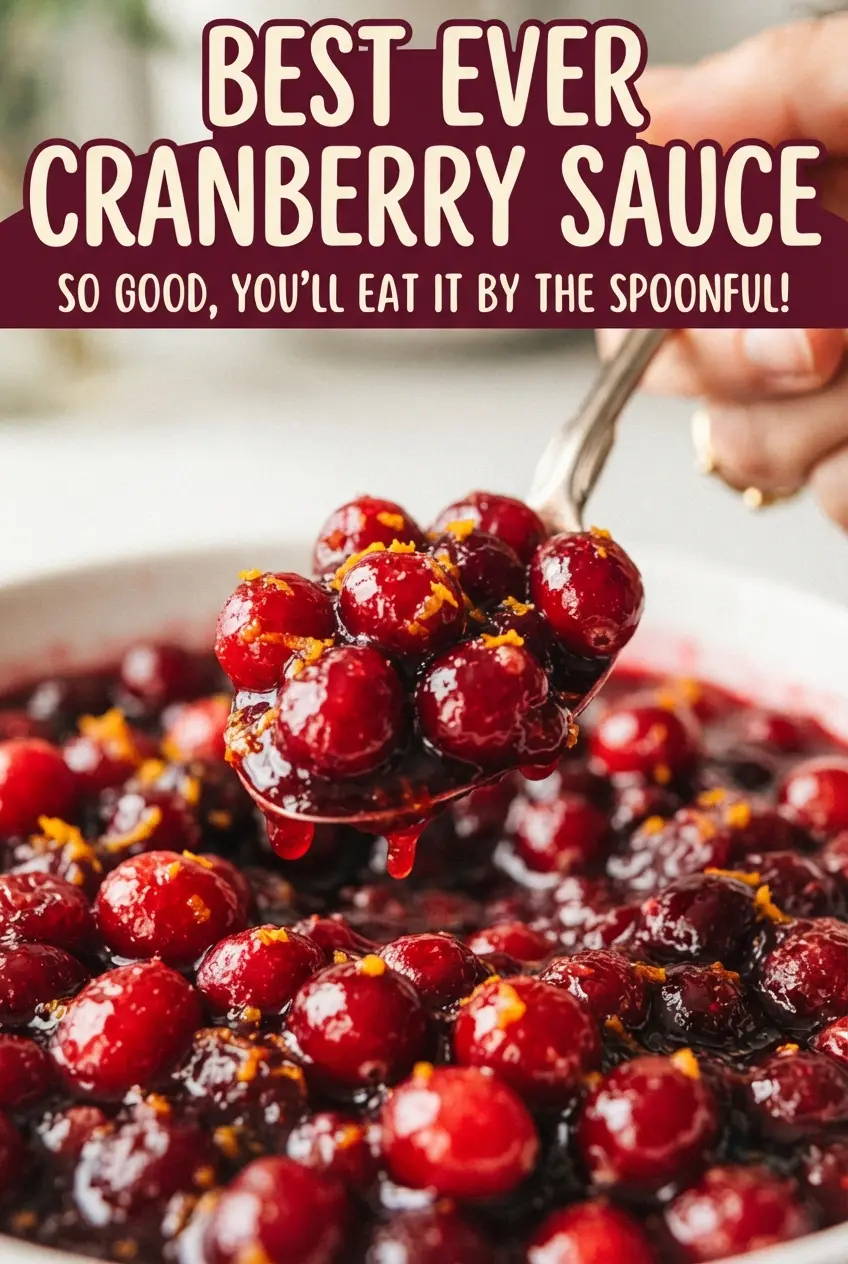
Best Ever Cranberry Sauce
Ingredients
Equipment
Method
- Combine granulated sugar, brown sugar, orange juice, water, cinnamon stick, and salt in a saucepan. Bring to a boil over medium-high heat, stirring until the sugar dissolves.
- Add fresh cranberries to the saucepan and return the mixture to a boil. When boiling, reduce to a gentle simmer.
- Simmer for 10-12 minutes, stirring often, until most berries burst and the sauce thickens. Keep the heat low enough to maintain a steady simmer.
- Remove the saucepan from the heat. Stir in orange zest and vanilla extract, then discard the cinnamon stick.
- Cool the cranberry sauce to room temperature. It will thicken further as it cools.
- Chill the cranberry sauce in the refrigerator until set, at least 1 hour. Serve cold or at cool room temperature for a thicker spoonable texture.