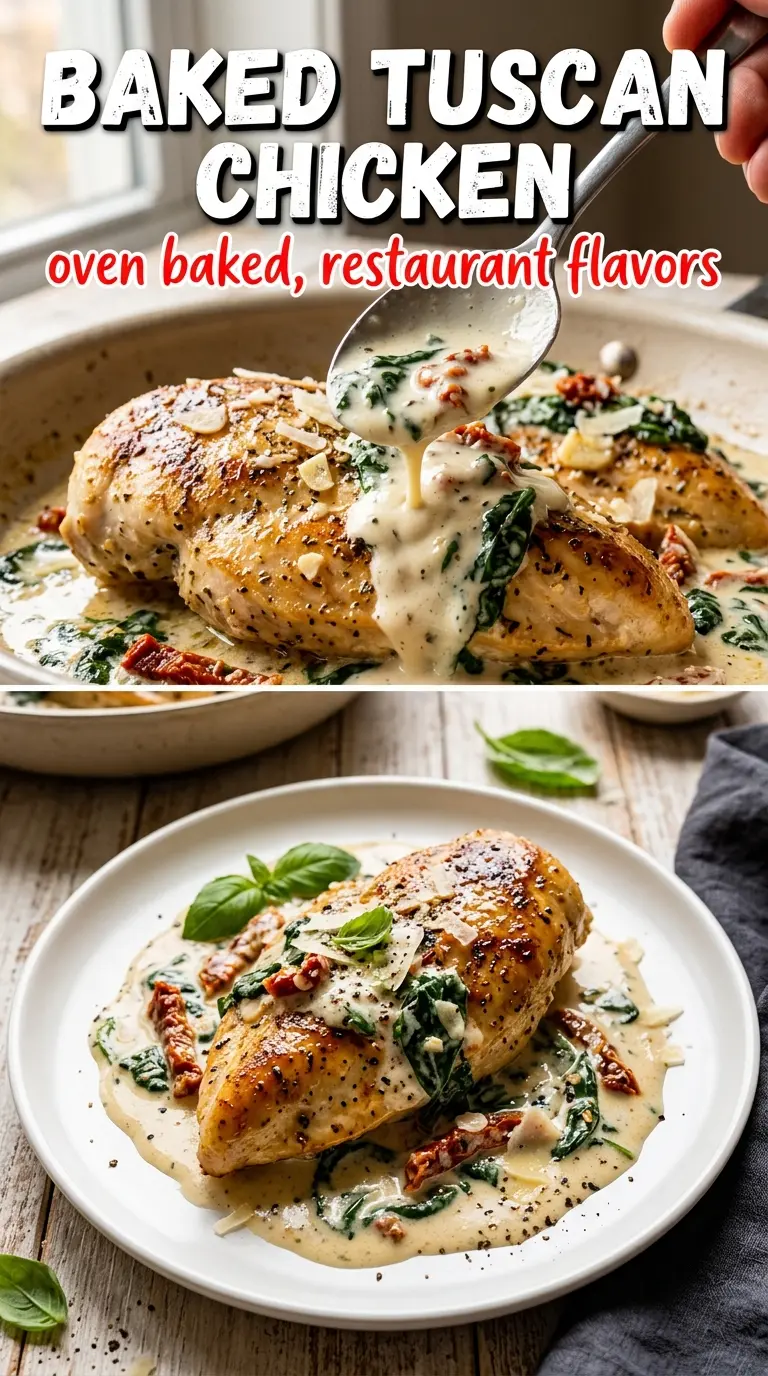
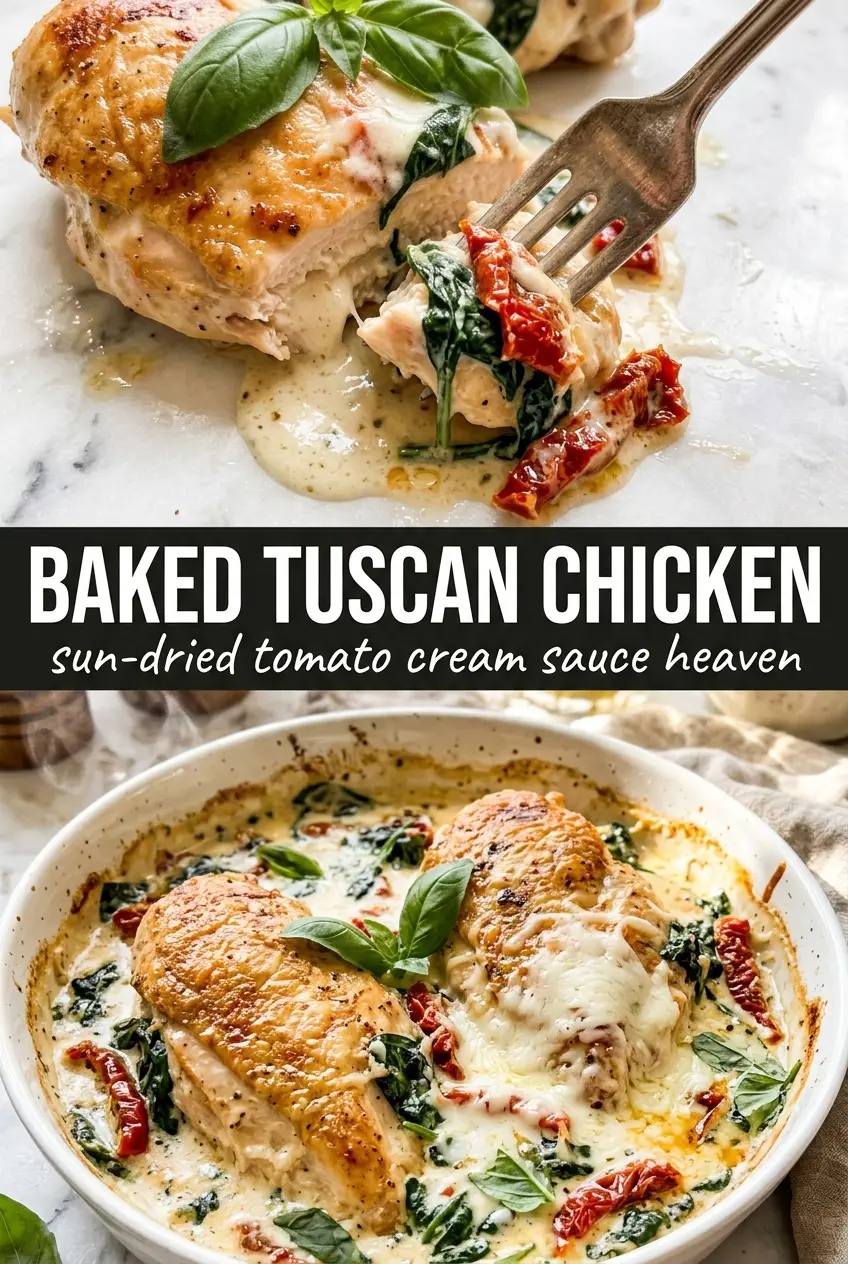
Golden, crisp-skinned chicken thighs tucked into a creamy sun-dried tomato sauce have a way of making a regular dinner feel like you planned ahead. The chicken stays juicy because it gets a hard sear first, then finishes in the oven without drowning in sauce. Meanwhile, the Parmesan cream thickens around the edges and picks up the smoky seasoning and browned bits from the skillet, which is where the best flavor lives.
Bone-in, skin-on thighs are the right cut here. They hold up to the sear, stay tender through baking, and give the sauce something rich to cling to. The other small but important move is adding the cream after the garlic and tomatoes have had a minute in the pan; that keeps the pan from scorching and gives the sauce a cleaner, deeper taste instead of a flat one. If you’ve ever had Tuscan chicken turn watery or greasy, the fix is usually the same: sear long enough for real color, then bake uncovered so the skin doesn’t steam.
Below, you’ll find the exact timing that keeps the chicken juicy, a few smart ingredient swaps, and the best way to reheat the leftovers without breaking the sauce.
The sauce reduced right around the chicken, and the skin stayed crisp even under all that cream. I used the full 20 minutes in the oven and the thighs came out juicy with the Parmesan sauce bubbling at the edges.
Save this baked Tuscan chicken for the nights when you want crisp chicken thighs in a bubbling Parmesan cream sauce.
The Sear That Keeps the Chicken Juicy Under the Sauce
The mistake that ruins a lot of baked chicken dishes is rushing the browning. If the thighs don’t get deeply golden in the skillet, they won’t have the same flavor once they finish in the oven, and the skin will turn soft instead of crisp. Give the chicken its full time skin-side down, and don’t move it around while the fat renders. You want a crust that releases on its own, not chicken that’s being pried up early because it’s sticking.
That first sear also does another job: it builds the base of the sauce. The browned bits left in the pan dissolve into the broth and cream, which is why this dish tastes layered instead of just creamy. If the skillet looks dry after searing, add the broth and scrape every bit from the bottom before the cream goes in.
What the Sun-Dried Tomatoes and Parmesan Are Doing Here
- Bone-in, skin-on chicken thighs — These are worth using here because the skin protects the meat while it bakes and the bones help the thighs stay juicy. Boneless thighs will cook faster, but they won’t give you the same contrast between crisp top and creamy sauce.
- Sun-dried tomatoes in oil — Use the oil-packed kind if you can. They’re softer, richer, and easier to slice than the dry kind, and the little bit of oil on them carries the tomato flavor through the sauce. If you only have dry sun-dried tomatoes, soak them in hot water for 10 minutes first so they don’t stay chewy.
- Heavy cream and Parmesan — This combination gives the sauce body without needing flour. Freshly grated Parmesan melts more smoothly than the pre-shredded stuff, which can leave the sauce grainy. If you need a shortcut, use the best refrigerated grated Parmesan you can find and add it off the heat.
- Baby spinach — It disappears into the sauce in minutes and adds color without turning the dish heavy. Mature spinach works too, but it needs an extra minute or two to wilt completely.
- Chicken broth — This loosens the pan and keeps the sauce from becoming too thick before it hits the oven. Water works in a pinch, but you lose a lot of the savory depth that makes the sauce taste finished.
Building the Sauce Before It Ever Hits the Oven
Seasoning and Searing
Pat the chicken thighs dry, then season them well on both sides. Wet skin is the enemy of crispness, and light seasoning disappears once the chicken hits the sauce. Start the thighs skin-side down in hot olive oil and leave them alone until the skin turns deep golden and releases cleanly from the pan. If the pan is crowded, the chicken steams; use a skillet that gives the thighs room.
Waking Up the Garlic and Tomatoes
Once the chicken comes out, the garlic goes into the same skillet for just 30 seconds. That short cook takes the raw edge off without burning it, which matters because burnt garlic makes the whole sauce taste bitter. Add the sliced sun-dried tomatoes next and let them sizzle long enough to soften and perfume the oil before the broth goes in. This is where the sauce starts tasting like more than cream.
Finishing the Cream Sauce and Baking
Stir in the cream, Parmesan, Italian seasoning, and red pepper flakes, then let the sauce simmer briefly until it looks lightly thickened. It won’t be as thick as the finished sauce yet, and that’s fine; the oven does the last bit of work. Stir in the spinach, nestle the chicken skin-side up, and bake uncovered. If you cover the pan, the skin steams and the top loses the contrast that makes this dish worth making.
How to Adapt This Baked Tuscan Chicken Without Losing the Good Part
Make it dairy-free
Swap the heavy cream for full-fat coconut cream and use a dairy-free Parmesan-style substitute or skip the cheese and add a pinch more salt. The sauce will taste a little less sharp and a little more rounded, but it still turns silky and coats the chicken well.
Use boneless chicken thighs
Boneless thighs work when you want a slightly faster dinner, but cut the oven time down and start checking early so they don’t dry out. You’ll lose the crisp skin, but the meat stays tender and still takes on the sauce well.
Make it gluten-free
As written, this dish is naturally gluten-free as long as your broth and Parmesan are certified gluten-free. The texture doesn’t rely on flour, so you don’t need to adjust the sauce at all.
Add mushrooms for a heartier pan sauce
Sauté sliced mushrooms after the chicken comes out and before the garlic goes in, letting them brown in the rendered fat. They bring a deeper, earthier note and make the dish feel a little more substantial without changing the basic method.
Storage and Reheating
- Refrigerator: Store leftovers in an airtight container for up to 4 days. The skin softens in the fridge, but the sauce holds up well.
- Freezer: Freeze the chicken and sauce together for up to 2 months, though the cream sauce may separate slightly when thawed. It still tastes good, but the texture is best fresh.
- Reheating: Warm gently on the stovetop over low heat or in a covered oven-safe dish at 325°F until hot. High heat is what breaks the sauce, so keep the heat low and add a splash of broth if it looks too thick.
Questions I Get Asked About This Recipe
Baked Tuscan Chicken
Ingredients
Equipment
Method
- Preheat the oven to 400°F and season the chicken thighs generously with salt, pepper, garlic powder, Italian seasoning, and smoked paprika.
- Heat the olive oil in an oven-safe skillet over medium-high heat until shimmering.
- Place chicken skin-side down in the skillet and sear for 6-7 minutes until deeply golden.
- Flip the chicken and sear for 3 more minutes until browned, then remove to a plate.
- Cook the minced garlic for 30 seconds, stirring constantly, until fragrant.
- Add the sliced sun-dried tomatoes and cook for 1 minute, then pour in the chicken broth to deglaze, scraping up browned bits.
- Stir in the heavy cream, Parmesan cheese, Italian seasoning, and red pepper flakes, then simmer briefly until the sauce thickens slightly.
- Stir in the baby spinach until wilted, then nestle the chicken skin-side up into the sauce.
- Bake uncovered for 18-20 minutes, until the internal temperature reaches 165°F, keeping the sauce bubbling around the chicken.
- Remove from the oven and garnish with fresh basil before serving.