Jalapeño popper grilled cheese brings together everything that makes a great hot sandwich worth repeating: crisp, buttery bread, a creamy center, sharp cheddar, and just enough jalapeño heat to keep each bite interesting. The bacon adds salt and crunch, but it’s the way the cream cheese melts into the shredded cheeses that makes this sandwich feel bigger than the sum of its parts.
The trick is keeping the heat low enough that the bread turns deep golden before the filling has a chance to leak out. Softened cream cheese spreads cleanly and helps anchor the jalapeños and bacon, while a mix of cheddar and Monterey Jack gives you both flavor and that stretchy melt everyone wants from a good grilled cheese. Seed the jalapeños if you want balanced heat; leave a few seeds in if you like it louder.
Below you’ll find the small details that keep the sandwich from scorching, plus a few smart ways to change it up without losing that jalapeño popper feel.
The bread turned crisp and evenly browned before the cheese was fully melted, and the jalapeños stayed bright without making the sandwich too spicy. My husband asked if I could make it again the next day.
Love the gooey bacon-stuffed crunch of this jalapeño popper grilled cheese? Save it to Pinterest for the next time you want a fast sandwich with a molten center.
The Trick to Melting the Filling Before the Bread Burns
The biggest mistake with a stuffed grilled cheese is chasing color on the outside before the filling has time to soften. Thick bread and a rich filling need medium-low heat, not a hot skillet. That lower heat gives the butter time to toast the bread evenly while the cream cheese and shredded cheeses melt into one creamy layer instead of sitting in cold pockets.
Pressing the sandwich lightly with a spatula helps the bread make full contact with the pan, which speeds browning without squeezing the filling out the sides. If the bread starts darkening too fast, lower the heat right away. You want a steady sizzle, not aggressive frying.
- Low heat keeps the bread from burning before the center turns fully molten.
- Shredded cheese melts faster than sliced cheese and gives you that stretchy interior.
- Softened cream cheese spreads cleanly and blends with the other cheeses instead of tearing the bread.
- Thick bread holds up best because it can take the butter and the heat without collapsing.
What Each Filling Ingredient Is Doing Here
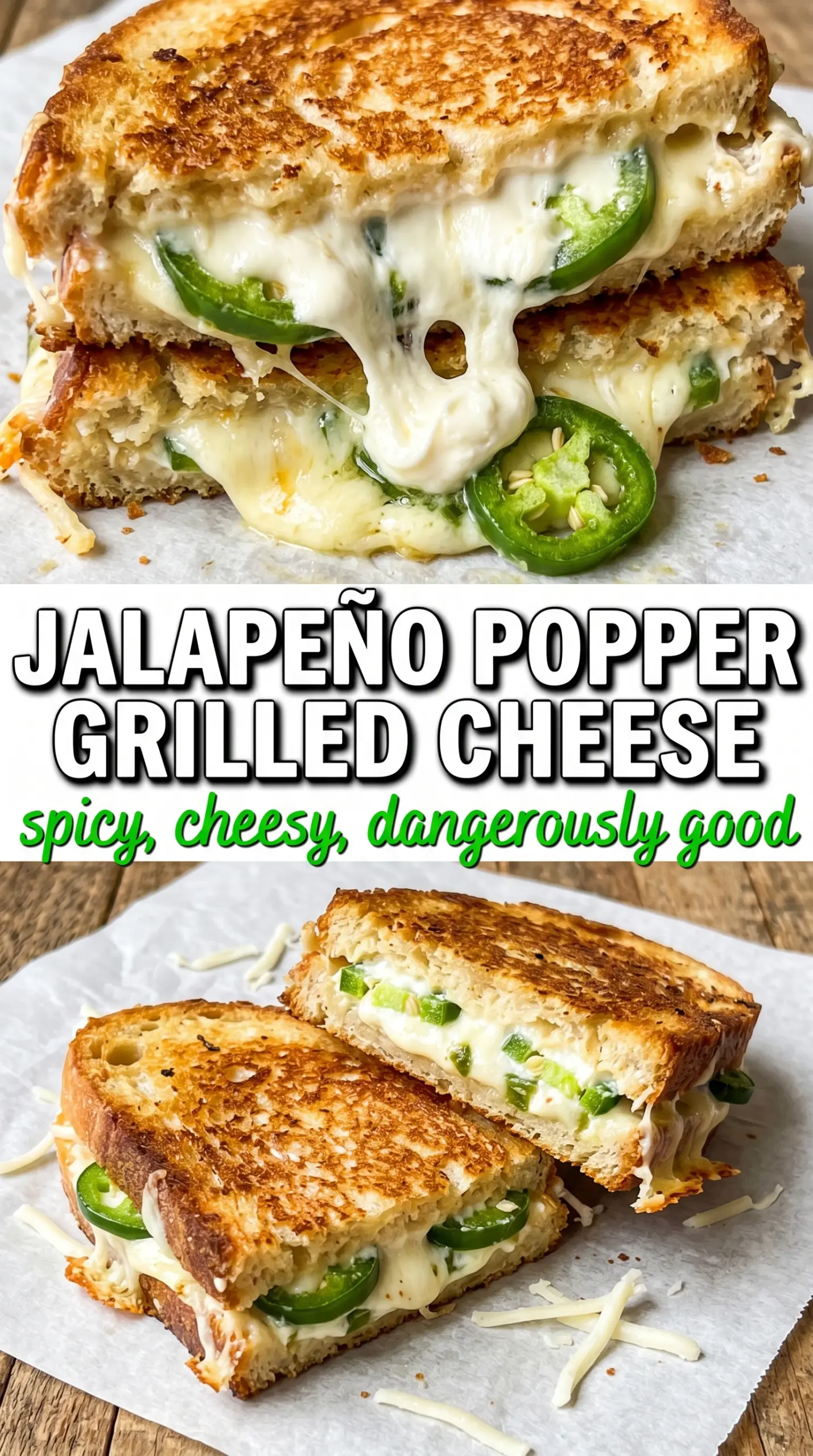
- Cream cheese creates the jalapeño popper base. It softens the heat, adds body, and keeps the center rich instead of stringy. Full-fat works best here because reduced-fat cream cheese can turn loose when it warms.
- Sharp cheddar brings the punchy flavor that makes the sandwich taste complete. Pre-shredded cheddar works in a pinch, but freshly shredded melts smoother and doesn’t carry the anti-caking coating that can dull the texture.
- Monterey Jack is there for the melt. If you swap it out, choose another good melting cheese like mozzarella or mild gouda, but expect a slightly different finish and less of that stretchy pull.
- Jalapeños give the sandwich its bite. Seed them for a gentler version, or leave a few seeds in if you want more heat. Thin slices cook through fast and stay tucked into the filling better than chunky pieces.
- Bacon adds salt and crunch, and crispy bacon matters here. Soft bacon turns chewy inside the sandwich, while crisp bacon stays distinct against the creamy filling.
Building the Sandwich Without Losing the Filling
Season the Cream Cheese First
Beat the softened cream cheese with garlic powder until it’s smooth enough to spread without tearing the bread. That small bit of seasoning matters because the cheese filling can taste flat without it. If the cream cheese is still cold, it will drag across the bread and leave uneven patches, so let it soften fully before you start.
Layer the Center, Not the Edges
Spread the cream cheese on the inside faces of the bread, then pile the shredded cheeses, jalapeños, and bacon in the middle of two slices. Keep the filling a little shy of the edges so it doesn’t ooze straight into the pan. The goal is a sealed sandwich with a molten center, not a skillet cleanup project.
Butter the Outside Generously
Use softened butter on the outside of each sandwich so it spreads in an even, thin layer. Patchy butter means patchy browning, and that’s how you end up with pale spots and dark spots on the same slice. The butter also helps the crust take on that shatteringly crisp edge that makes the first bite worth it.
Cook Slowly Until the Cheese Gives Way
Set the sandwich in a skillet over medium-low heat and cook until the underside is deep golden brown before flipping. After the flip, press gently so the layers settle, but don’t smash it flat or the filling will squeeze out. When the bread is crisp and the cheese is fully melted, the sandwich will feel lighter in the pan and the center will ooze when you slice it.
How to Adapt This Without Losing the Jalapeño Popper Feel
Make It Meat-Free
Skip the bacon and add a pinch of smoked paprika to the cream cheese for a little of that savory depth back. You’ll lose the crunchy, salty bite, but the sandwich still tastes full and layered because the cheeses and jalapeños carry the rest.
Turn Down the Heat
Use pickled jalapeños instead of fresh for a milder, tangier sandwich. They soften a bit more during cooking and spread the heat out, which is helpful if you want the popper flavor without the sharp burn from fresh peppers.
Go Gluten-Free
Use a sturdy gluten-free sandwich bread that’s meant for toasting, not a soft loaf that falls apart under butter and heat. Gluten-free bread usually browns a little faster on the surface, so keep the heat modest and watch the skillet closely.
Storage and Reheating
- Refrigerator: Store leftovers for up to 2 days. The bread softens a bit, but the flavor stays good.
- Freezer: I don’t recommend freezing this sandwich. The cream cheese filling can turn grainy and the bread loses its crisp texture after thawing.
- Reheating: Reheat in a skillet over low heat with a lid for a few minutes to warm the center without burning the bread. The microwave makes the bread soggy and the filling uneven, so skip it if you want any crunch left.
Answers to the Questions Worth Asking
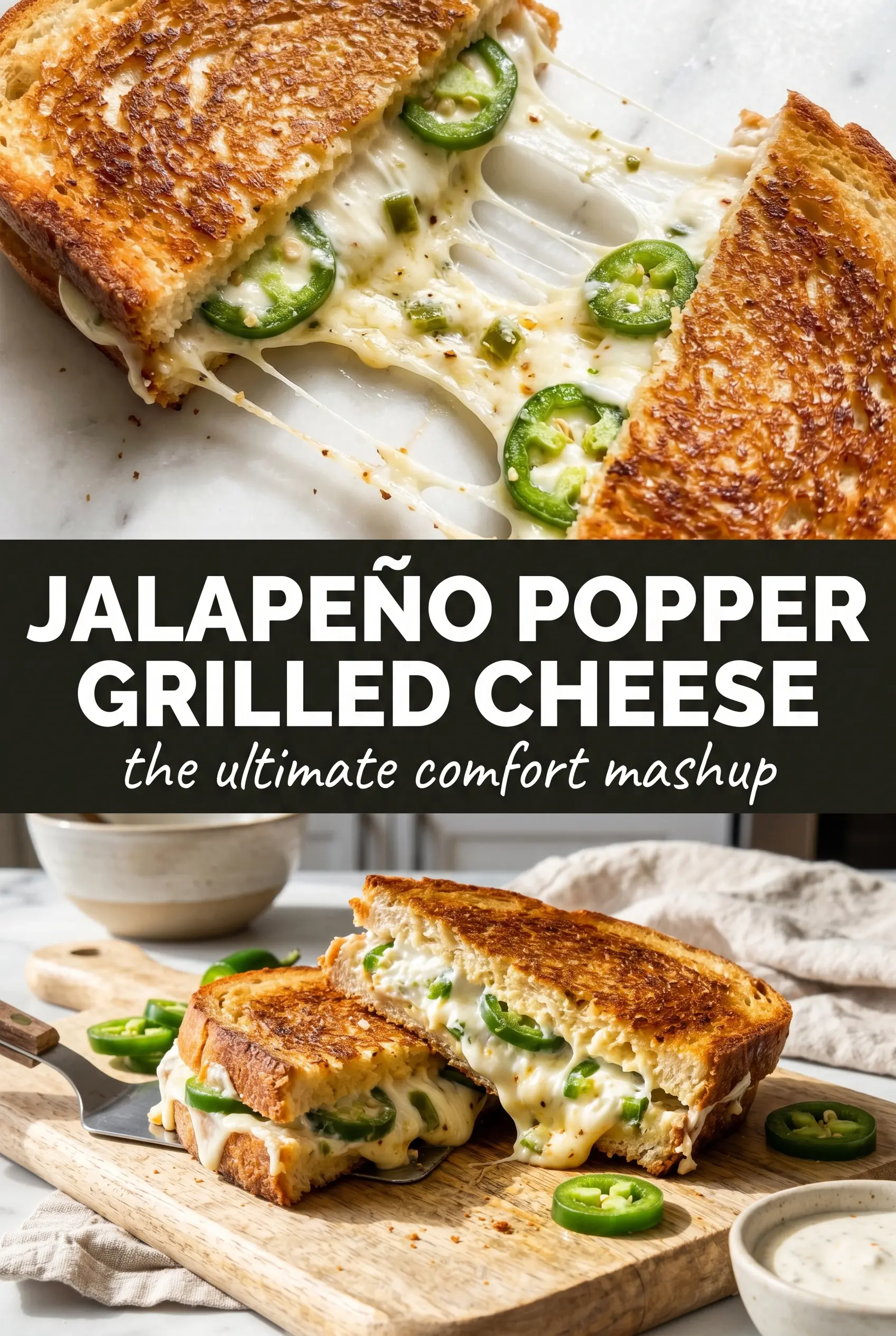
Jalapeño Popper Grilled Cheese
Ingredients
Equipment
Method
- Beat the cream cheese with garlic powder until smooth and spreadable, so it spreads evenly and melts smoothly. Stop once the mixture looks uniform with no visible garlic powder clumps.
- Spread cream cheese generously on one side of each bread slice, forming a thick layer to help the bread brown and seal the filling. Keep the cream cheese side facing inward later.
- Layer shredded cheddar, Monterey Jack, jalapeño slices, and 2 strips of bacon on two of the bread slices, then top with the remaining bread slices cream cheese side in. Press lightly so the fillings stay in place.
- Butter the outside of each sandwich generously with softened butter for crisp, deep golden edges. Make sure all bread surfaces are coated, including the crusty edges.
- Cook the sandwiches in a large skillet over medium-low heat for 4-5 minutes per side, pressing gently with a spatula as they toast. Watch for a deep golden brown crust before flipping, and keep the heat medium-low so the cheese has time to fully melt.
- Flip and continue cooking on the second side for another 4-5 minutes, pressing gently to help contact and melt. Pull when both sides are deep golden brown and the cheese is completely melted.
- Slice diagonally and serve immediately so the molten cream cheese, cheddar, and jalapeño filling stays stretchy. The cut should reveal bubbling melted cheese with jalapeño and bacon visible.