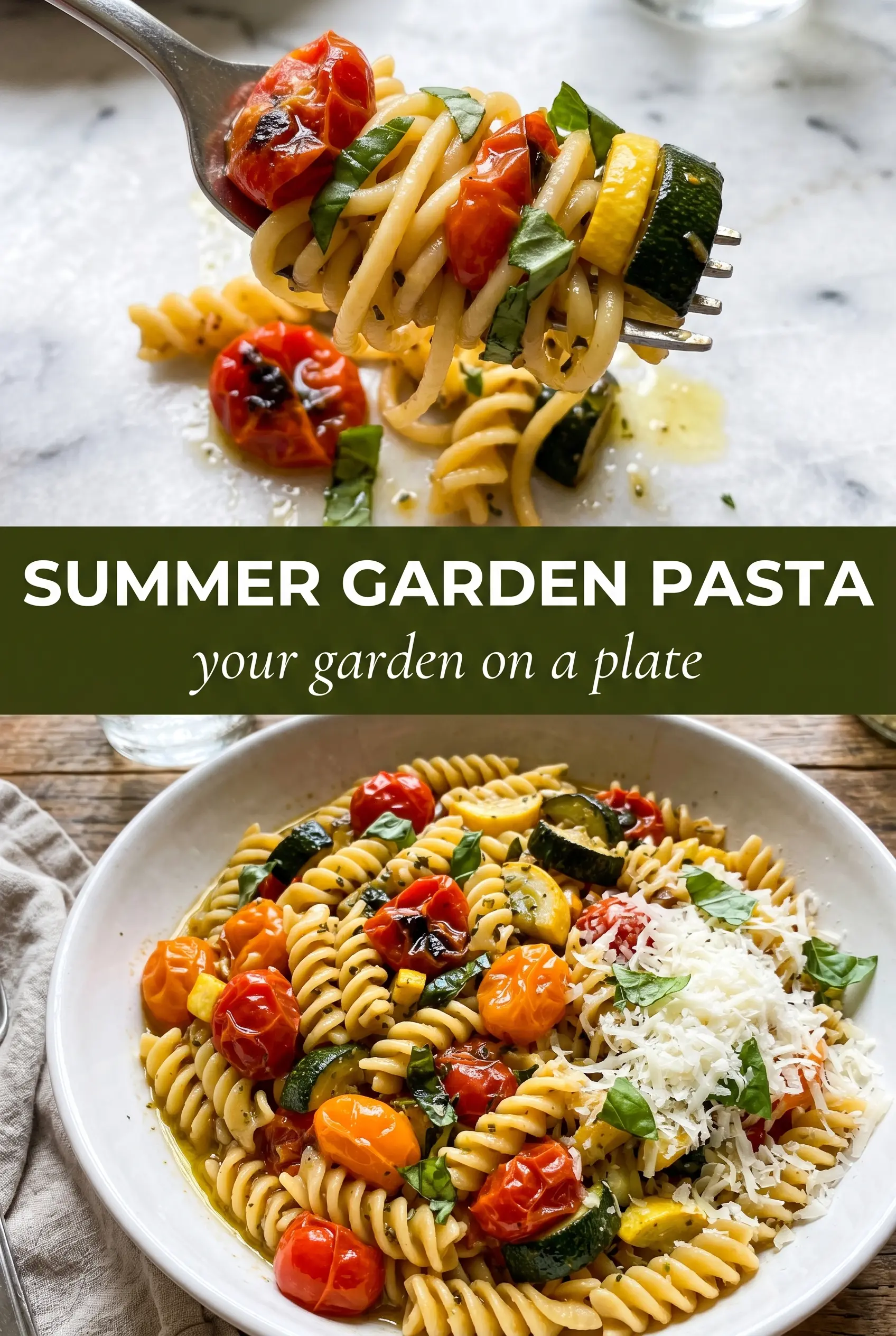
Spaghetti tossed with caramelized zucchini, burst cherry tomatoes, sweet corn, and basil tastes like the best part of a late market haul. The vegetables stay bright and distinct, but the pan picks up just enough of their juices to coat the pasta without turning heavy or creamy. A handful of shaved Parmesan and a little lemon at the end keep the whole bowl lively.
What makes this version work is timing. The zucchini needs enough heat to take on some color before the tomatoes go in, because once the tomatoes burst they release enough moisture to soften everything else. The pasta water does the rest, turning the olive oil, garlic, and vegetable juices into a glossy sauce that clings instead of pooling at the bottom of the bowl.
Below, I’ve added the little details that matter most: when to stop cooking the vegetables, how to judge the sauce before the lemon goes in, and what to change if your corn is frozen or your garden zucchini are on the large side.
The zucchini browned instead of steaming, and the pasta water made the sauce cling to every strand. I added the lemon at the end like you said, and it made the tomatoes taste even sweeter.
Love the glossy zucchini, burst tomatoes, and basil in this summer garden pasta? Save it to Pinterest for an easy weeknight pasta that still tastes fresh and bright.
The Fastest Way to Turn Summer Vegetables Into a Sauce That Clings
The mistake most pasta recipes make with vegetables like zucchini and tomatoes is crowding them into a pan that isn’t hot enough. Then they soften, sweat, and slide around in their own moisture. You want the zucchini to hit the skillet first and get some color before the tomatoes go in. That little head start gives the finished dish actual depth instead of a bowl of pale, watery pasta.
The other key move is adding the pasta directly to the skillet and finishing with pasta water a splash at a time. The starch helps the oil and vegetable juices emulsify, which is what gives you that glossy coating on the spaghetti. If the pan looks dry, add more pasta water. If it looks soupy, keep tossing for another minute and let the sauce tighten up.
What Each Ingredient Is Actually Doing in This Bowl
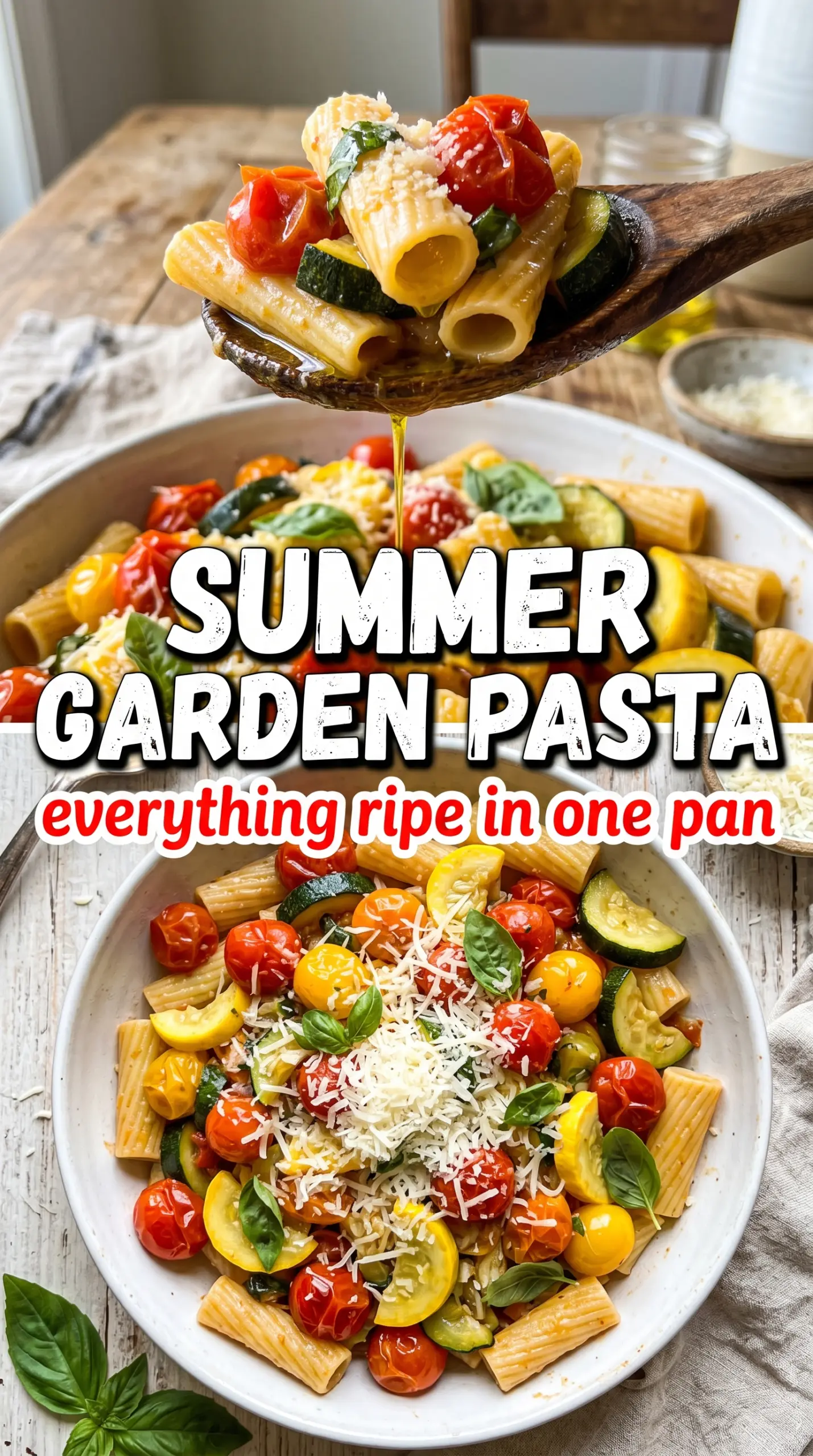
- Spaghetti or linguine — Long pasta works best because it wraps around the vegetables and holds onto the light sauce. If you use a short shape, the juices tend to slip off and pool.
- Olive oil — This is the base of the sauce, so use one you actually like the taste of. A decent everyday extra-virgin olive oil is enough here.
- Garlic — Slice it thin so it perfumes the oil without burning before the zucchini is ready. If it browns too fast, the whole dish turns bitter.
- Zucchini — This is where the texture comes from. Dice it into even pieces so it softens at the same rate and gets caramelized edges instead of collapsing into mush.
- Cherry tomatoes — They burst into sweet, juicy pockets that become part of the sauce. Grape tomatoes work too, but smaller tomatoes usually need an extra minute to open up.
- Corn — Fresh corn brings the sweetest flavor, but frozen corn works well if you use it straight from the freezer. Don’t thaw it first or it can turn watery in the pan.
- Parmesan — The shaved cheese adds saltiness and a little richness without making the sauce heavy. Freshly shaved or grated Parmesan melts into the warm pasta better than the shelf-stable kind.
- Lemon juice and zest — These wake everything up at the end. Add them after the pan comes off the heat so the zest stays fragrant and the juice doesn’t dull the olive oil.
Getting the Vegetables, Pasta, and Lemon to Land at the Same Time
Start the Garlic in the Oil, Not the Other Way Around
Warm the olive oil over medium-high heat and add the sliced garlic before anything else goes in. You want it fragrant and just barely turning golden at the edges, which takes about 30 seconds. If the garlic browns before the zucchini hits the pan, pull the skillet off the heat for a moment and let it cool slightly; burned garlic will dominate the whole dish.
Give the Zucchini the First Shot at the Pan
Once the garlic smells sweet, add the zucchini and leave it alone long enough to pick up color on the first side. Stir it occasionally, but don’t keep it moving every second or it will steam. You’re looking for tender pieces with browned edges, not pale cubes floating in oil.
Let the Tomatoes Burst and Build the Sauce
Add the cherry tomatoes and corn, then cook until the tomatoes split and release their juices. That juice mixes with the oil and the browned bits in the pan, which is where the sauce starts. Season now with red pepper flakes, salt, and pepper so the vegetables have a chance to absorb the seasoning instead of having all the salt land on the pasta at the end.
Finish With the Pasta Water and Cold Herbs Off the Heat
Toss in the drained pasta and add reserved pasta water a splash at a time until the strands look glossy and lightly coated. When the sauce comes together, turn off the heat and stir in the lemon juice, lemon zest, Parmesan, and basil. If you add the cheese over high heat, it can get stringy instead of melting into the sauce, so take the pan off the burner first.
How to Adapt This Pasta When the Market Haul Changes
Make it dairy-free without losing the finish
Skip the Parmesan and finish with a little extra olive oil plus a pinch more salt. You lose the salty nuttiness, but the lemon, basil, and caramelized vegetables still carry the dish.
Use gluten-free pasta without breaking the sauce
A sturdy gluten-free spaghetti or linguine works fine here as long as you cook it to true al dente and save enough pasta water. Some gluten-free pastas need a little more tossing to release starch, so don’t rush the final minute in the skillet.
Swap in other summer vegetables
Yellow squash, thin asparagus, or diced bell pepper can stand in for part of the zucchini. Keep the total vegetable volume about the same so the skillet doesn’t overcrowd, and cook harder vegetables a minute or two longer before adding tomatoes.
Make it a little richer
Toss in a spoonful of butter at the very end if you want a softer, silkier sauce. It doesn’t change the character of the dish, but it rounds out the lemon and makes the pasta feel more luxurious.
Storage and Reheating
- Refrigerator: Store leftovers in an airtight container for up to 3 days. The pasta will absorb some of the sauce as it sits.
- Freezer: I don’t recommend freezing this one. The zucchini and tomatoes lose their texture and the pasta turns soft after thawing.
- Reheating: Warm it gently in a skillet with a splash of water or broth over low heat, tossing until the sauce loosens. The biggest mistake is blasting it in the microwave until the pasta dries out and the vegetables collapse.
Questions I Get Asked About This Recipe
Summer Garden Pasta
Ingredients
Equipment
Method
- Bring a large pot of well-salted water to a boil and cook the spaghetti (or linguine) until al dente, about 1–2 minutes less than package directions. Reserve 1 cup of pasta water before draining and set aside.
- Heat the olive oil in a large skillet over medium-high heat until it shimmers. Add the thinly sliced garlic and cook for 30 seconds until fragrant, stirring constantly to prevent browning.
- Add the diced zucchini and cook for 4–5 minutes, stirring occasionally, until golden. Add the halved cherry tomatoes and corn and cook for another 3–4 minutes until the tomatoes burst.
- Season the skillet with red pepper flakes, salt, and pepper to taste. Add the drained pasta directly to the skillet and toss to coat.
- Toss and stir while adding reserved pasta water a splash at a time until a light sauce forms and clings to the noodles, not watery. Stir in the lemon juice and lemon zest to brighten the sauce.
- Remove the skillet from the heat and immediately scatter shaved Parmesan and torn fresh basil over the top. Serve right away while the vegetables are glossy and the pasta is hot.